
What is interior design?
Interior design is the discipline that plans, designs, and enhances interior spaces to make them more functional, aesthetically pleasing, and aligned with the needs of those who use them. It goes far beyond mere decoration: it combines layout, materials, lighting, color, and furniture to create comfortable, practical, and visually balanced environments.
What Interior Design Really Means
Interior design involves planning interior spaces while taking into account both their visual and functional aspects. Its goal is not only to make a space look good, but also to ensure that it efficiently serves its intended purpose.
For this reason, interior design examines aspects such as traffic flow, space utilization, natural light, the choice of finishes, and the relationship between all the elements that make up a space. This discipline can be applied to homes, offices, retail spaces, hotels, restaurants, and many other settings.
In other words, interior design transforms an interior space into a place designed for living, working, or socializing more effectively.
Interior design and home decor: they are not the same thing
One of the most common misconceptions is confusing interior design with decoration. Although they are related, they do not mean exactly the same thing. Decoration focuses more on the visual aspect and the selection of elements such as textiles, colors, objects, or furniture. Interior design, on the other hand, takes a broader and more strategic approach to the space.
An interior designer doesn't just decide how a room should look. They also analyze how it's used, what problems it presents, and what solutions can be implemented to improve it. This may include reconfiguring spaces, altering traffic patterns, maximizing natural light, or selecting more suitable materials.
Key Differences Between Interior Design and Decorating
Here are some basic differences:
Interior design focuses on the functionality and layout of a space.
The decor focuses more on creating an aesthetic atmosphere.
Interior design can influence floor plans and materials.
Interior design typically takes place within a space that has already been defined.
Both disciplines can complement each other, but they should not be treated as if they were identical.
What is interior design for?
Interior design serves to adapt a space to people’s actual needs. This means that it does more than simply beautify a room; it improves the way people live, work, or enjoy that space.
A well-designed interior design project can help make better use of available space, create a sense of openness, improve organization, reinforce a brand identity, or enhance everyday comfort. In professional settings, it can also improve the customer experience or team productivity.
For this reason, this discipline has both practical and strategic value. A well-designed space influences well-being, efficiency, and the overall perception of the environment.
The key elements of interior design
To understand what interior design is, it’s helpful to know the elements it typically involves. While each project may vary depending on the type of space, there are factors that always play an important role.
Among the most common are layout, lighting, materials, color, furniture, and the relationship between spaces. All of these elements must work together to achieve a balanced result.
Elements typically addressed in an interior design project
An interior design project typically focuses on:
Layout of the spaces.
Selection of materials and finishes.
Lighting design.
Choosing furniture.
Color range.
Storage and functionality.
Overall aesthetic consistency.
When these issues are handled with care, the space gains character and charm.
The Importance of Space Layout
One of the cornerstones of interior design is layout. Before considering furniture or colors, it’s important to understand how the space is organized and how people will move within it. A poor layout can make a room feel uncomfortable, impractical, or visually cluttered.
On the other hand, good planning improves traffic flow, makes better use of each area, and helps the space adapt to its intended purpose. This is especially important in small homes, offices, retail spaces, and multi-purpose areas.
A well-thought-out layout is often the foundation on which everything else is built.
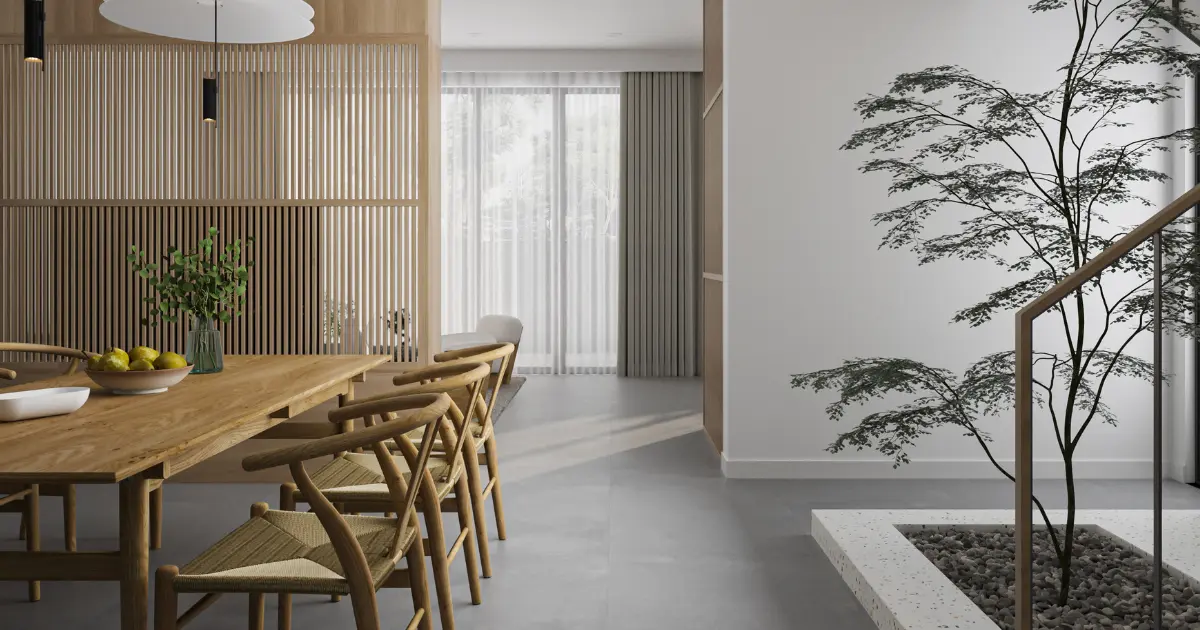
How Lighting Influences Interior Design
Light is another essential element of interior design. Not only does it improve visibility, but it also completely transforms the perception of a space. A room can appear more spacious, warmer, tidier, or cozier depending on how the lighting is arranged.
Interior design takes both natural and artificial light into account. The idea is to make the most of the light that comes in during the day and then supplement it with appropriate lighting fixtures tailored to each space’s specific use. A kitchen, a workspace, and a bedroom don’t all require the same kind of lighting.
In addition, effective lighting design helps create different atmospheres, highlight specific areas, and enhance the overall experience of using the space.
Materials, colors, and textures
Interior design also works with sensations. The materials and colors chosen directly influence how a space is perceived. Wood can convey warmth, certain light tones create a sense of spaciousness, and some finishes give a more elegant, understated, or contemporary look.
That’s why choosing materials isn’t just an aesthetic decision. It also has to do with maintenance, durability, comfort, and consistency with the space’s style. The same goes for color, which should be suited to the room’s use and the effect you want to achieve.
Whether in residential or commercial projects, this approach helps create spaces that are more harmonious and aligned with a specific purpose.
Residential Interior Design
In the residential sector, interior design aims to make a home more comfortable, functional, and suited to the lifestyle of its inhabitants. Not all homes have the same needs. A family, someone who works from home, or someone living in a small space requires different solutions.
Interior design for homes can help create more storage space, improve the layout, make better use of natural light, or redefine spaces without the need for major renovations. It also helps create a cohesive aesthetic throughout the home, ensuring a sense of continuity between rooms.
The ultimate goal is to make the home a more practical and pleasant place to live in day to day.
Interior Design for Commercial and Professional Spaces
Interior design also plays a strategic role in offices, stores, restaurants, hotels, and other businesses. In these cases, it must not only address functional needs but also reinforce the business’s image and enhance the customer or user experience.
A well-designed retail space can improve customer flow, highlight products, and make the shopping experience more enjoyable. In an office, interior design can influence productivity, well-being, and team collaboration. In the hospitality industry, it helps create an experience that aligns with the brand’s vision.
How Interior Design Benefits Businesses
Among its most common benefits are:
Enhancing one's professional image.
Greater ease of use.
Making the most of available space.
Strengthening the visual identity.
A better experience for customers and employees.
For this reason, interior design is increasingly viewed as a tool for building business value.
Interior design goes beyond aesthetics: it allows each space to be tailored to the lifestyle of those who live there.
What exactly does an interior designer do?
Understanding what interior design is also involves knowing the role of the professional who practices it. An interior designer analyzes the space, identifies needs, proposes solutions, and creates a design that combines aesthetics and functionality.
Their work may include drawing up plans, selecting materials, designing spaces, choosing furniture, and coordinating various aspects of the project. In some cases, they also help oversee the construction process to ensure that the final result matches the original plan.
It’s not just about having good taste. An interior designer needs technical expertise, spatial vision, and the ability to solve real-world problems related to functionality, layout, and style.
Why interior design is becoming increasingly important
In recent years, interior design has gained prominence as people have come to appreciate the impact that a space has on their well-being and lifestyle. Today, it’s not enough for a place to simply be beautiful. It must also be functional, flexible, and suited to everyday needs.
Furthermore, the rise of remote work, multifunctional spaces, and the desire for more personalized environments have made this field even more relevant. In both homes and businesses, interior design has become an investment with tangible benefits in the medium and long term.
In a nutshell: What is interior design, and why does it matter?
Interior design is the discipline that designs and optimizes interior spaces to make them more functional, attractive, and suited to the people who use them. It goes beyond mere decoration; it organizes, enhances, and gives meaning to each space from both a practical and aesthetic perspective.
Its importance lies in the fact that it influences comfort, the perception of space, and the quality of life or work. Whether in a home or a business, interior design helps create better-designed, more balanced spaces that are capable of meeting real needs.
Frequently Asked Questions
When is the best time to hire an interior design firm?
It’s a good idea to have an interior design plan when a space doesn’t meet your daily needs, you want to renovate a home or business, or you’re looking to improve the space’s appearance and functionality. It’s also advisable to have one before making decisions about construction, furniture, or finishes to avoid mistakes in layout and functionality.
What is the difference between interior design and interior decoration?
In practice, both terms are often used interchangeably to refer to the planning and improvement of interior spaces. In a professional context, both terms refer to work that combines functionality, aesthetics, layout, materials, and lighting to create spaces that are better designed and more suited to their intended use.
Why is interior design important for homes and businesses?
Interior design is important because it enhances the way a space is lived in and used. In homes, it helps create a more comfortable, organized, and functional environment. In businesses, it also reinforces the brand image, improves the user experience, and allows for better use of every square foot.
Want to transform your home?
Author
Cabana Team
Author information