
Before there is a plan or an idea of volume, all architecture begins with a place. The choice of plot is not a simple technical formality, but rather the first creative and decisive act of a project. In practice, plots are classified according to their soil type or physical characteristics, location, and relationship with the surrounding environment.
1. Soil types: understanding the basis of the project
Before choosing a plot, it is essential to know its classification by soil type:
- Urban land: already part of the urbanized area and equipped with some or all basic services.
- Consolidated: all services are available and it is ready to build in accordance with regulations.
- Unconsolidated: still requires completion of urbanization before construction.
- Developable land: land with the potential to be incorporated into the urban area through a planned urbanization process.
- Rural or non-developable land: land unsuitable for development due to its natural, cultural, or productive value. Construction is exceptional and requires special permits.
2. Beyond regulations: the nature of the terrain
While soil type is important in determining whether the chosen plot is buildable, the real influence of the chosen terrain on the project comes from its characteristics and context. Each plot and piece of land has a shape, relief, orientation, and context that will have a decisive influence on the way it is inhabited. Understanding this starting point, defined by its geography, history, and urban context, is essential to making sense of the work that will occupy it.
2.1. Urban plots
Urban plots are located within the consolidated fabric of cities or towns. They are usually subject to strict regulations regarding occupancy, height, and setbacks, but in return they offer immediate access to infrastructure and services. In these cases, the architectural challenge lies in making the most of the limited space, ensuring privacy, and providing the home with natural light and ventilation.
2.2. Suburban plots
On the other hand, suburban or expansion plots represent a middle ground between the city and the countryside. They are characterized by larger areas and a more open environment, although still with some urban structure. Here, architecture can unfold with greater formal freedom, incorporating gardens, terraces, or fragmented volumes that blur the boundaries between interior and exterior. The key is to balance privacy with openness, creating homes that breathe without losing their connection to the community.
2.3. Rural plots
Rural plots or those in natural surroundings offer a radically different experience. Located in open landscapes, forests, hillsides, or by the sea, they invite a quieter type of architecture that is more connected to the natural environment. In these cases, the slope, vegetation, prevailing winds, or solar orientation determine how the house is built. Building in nature requires an attitude of humility and listening; the goal is not to dominate the place, but to integrate into it.
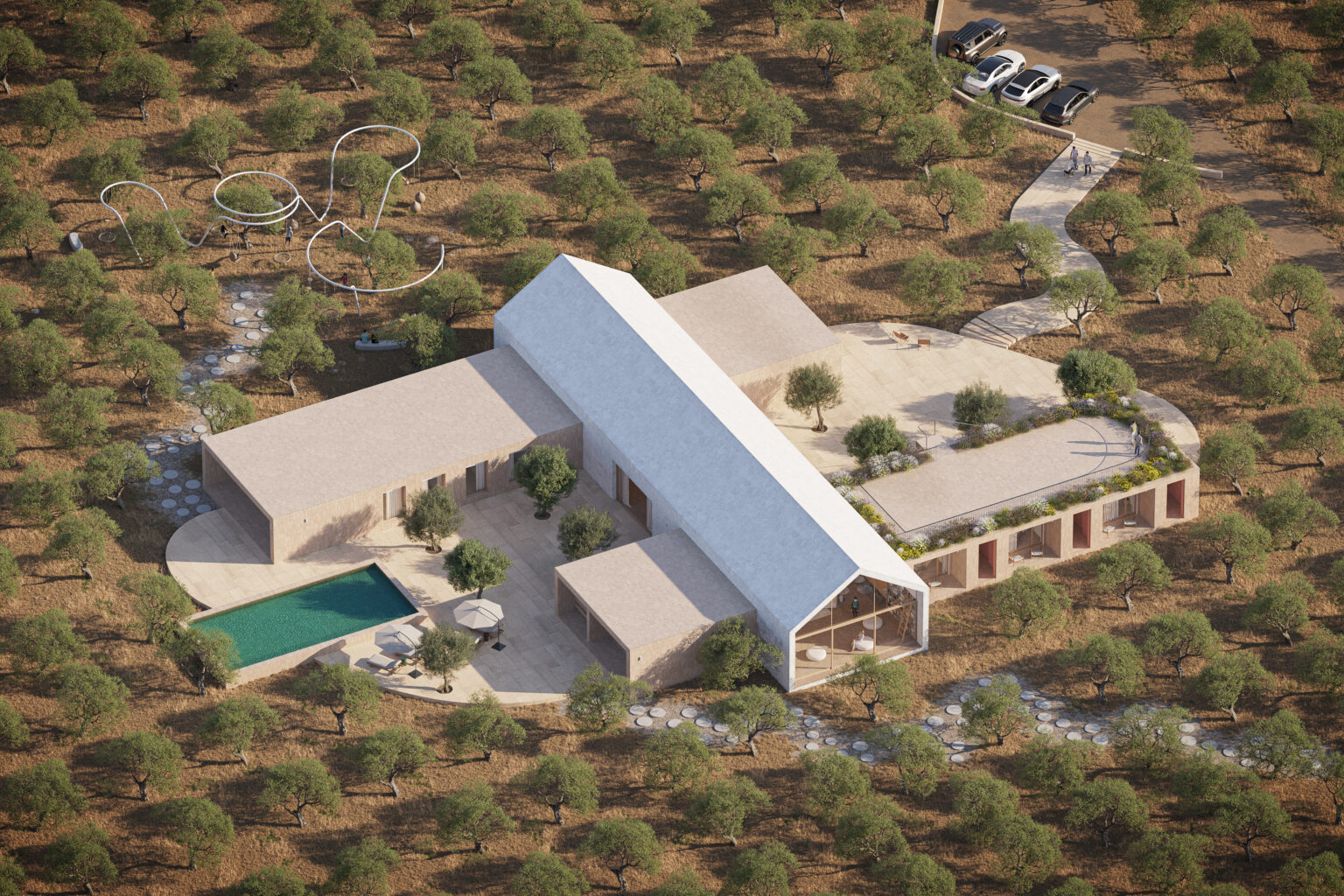
El Olivar – Cáceres, Spain. Home in a natural setting.
Choosing a plot of land is, ultimately, an act of interpretation. It is not just a matter of measuring dimensions or complying with regulations, but of reading the territory, recognizing its character, and responding with architecture that enhances it.
At Cabana, we understand that this dialogue with the place is the origin of all meaningful work. We believe that architecture, rather than imposing itself on the landscape, should reveal its essence. That is why we approach each project with careful observation, memory, and emotion, seeking to ensure that the home is born from the land that sustains it. Building is not about occupying a space, but giving it a voice. And when that voice emerges with honesty and purpose, architecture becomes an extension of the environment, a form of belonging and respect for what came before us.
Author
Cabana Team
Author information