
Contemporary intervention in historic buildings has established itself as one of the most sophisticated practices in interior design and architecture today. As opposed to mimetic restoration or radical rupture, these projects strive for a precise balance: respecting the identity of the original building while introducing a clear and recognizable contemporary language.
Contrast, when properly understood, does not generate conflict, but rather creative tension. This tension enriches spaces, giving them character and allowing different layers of time to coexist within the same architectural narrative.
1. Respect for the original architecture as the conceptual basis of the project
Any intervention in a historic building must be based on a deep understanding of its architectural value. It is not just a matter of preserving unique elements, but of understanding the construction logic, proportions, materiality, and spirit with which the space was conceived.
The contemporary design draws on this interpretation to decide what to keep, what to transform, and what to incorporate. Load-bearing walls, vaults, exposed structures, and original woodwork are preserved as witnesses to the past, allowing the current project to be built with respect rather than imposition.
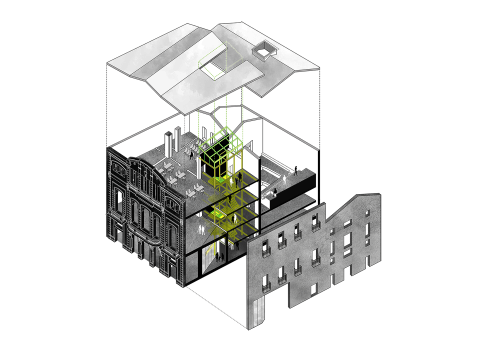
Gran Casino and Tagoba Theater – Villareal, Castellón.
2. Material contrast as a tool for differentiating periods without competing
One of the most powerful resources in this type of interior is the contrast between historical materials and contemporary solutions. Stone, handmade brick, aged wood, or original stucco coexist with steel, glass, microcement, or continuous surfaces with precise geometry.
The key lies in clarity: the new does not try to look old, nor does the old disguise itself as contemporary. Each material belongs to its time and expresses itself honestly, creating a clean and sophisticated interpretation of the space.
3. New ways of living within structures inherited from the past
Historic buildings often reflect lifestyles that are very different from those of today. Contemporary interior design acts as a mediator here, adapting these structures to present-day needs without altering their essence.
More open spaces, fluid layouts, compact functional areas, and custom-designed furniture allow interiors to be reorganized without losing their character. The result is homes, hotels, and cultural spaces that naturally combine memory and functionality.
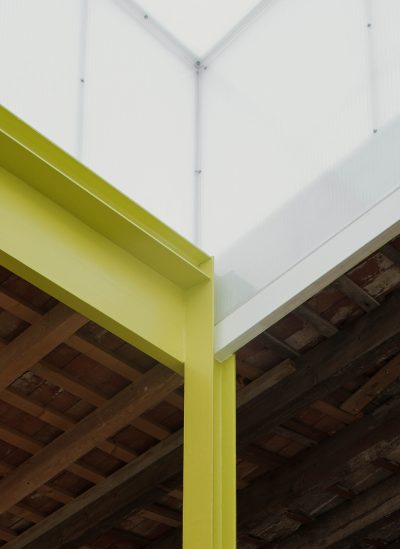
Gran Casino and Tagoba Theater – Villareal, Castellón.
4. Light, technology, and modern comfort integrated seamlessly
Technological upgrades are essential to ensure contemporary comfort. Air conditioning systems, technical lighting, and home automation solutions are discreetly integrated, avoiding visual interference with the historical elements.
Lighting plays a particularly important role: not only does it serve a functional purpose, but it also highlights textures, reliefs, and imperfections, revealing the beauty of the passage of time and creating atmospheres that strike a balance between the old and the new.
The charm of contrast lies in the ability to establish an honest dialogue between past and present. Contemporary interiors in historic buildings demonstrate that architecture can evolve without renouncing its memory, adding layers of meaning rather than erasing existing ones.
At Cabana, we approach these types of projects with precision and sensitivity. We see each project as an opportunity to reinterpret history through contemporary design, creating spaces that are modern, functional, and deeply connected to the identity of the place.
Author
Cabana Team
Author information