
What is a retail park?
A retail park is a complex consisting of several stores or medium-sized retail outlets grouped together in a single area, typically with direct access from the outside and a layout designed for convenient shopping. Its design prioritizes comfort, parking, and accessibility, especially for planned and bulk purchases.
Outlet mall: definition and key features
The concept of an outlet mall refers to a retail format comprising various retailers located within a single complex, but with a more functional layout than that of a traditional shopping mall. Instead of relying on indoor walkways and spacious common areas, it is typically structured with separate entrances, large retail spaces, and traffic flow designed for vehicles.
This type of store is typically located in outlying areas or places with easy access by road. Its appeal lies largely in convenience, as it allows customers to complete multiple purchases in a single trip.
Among its most common features are ample parking areas, large retail spaces, specialty brands, and a selection of goods geared toward practical use rather than window shopping or a leisurely shopping experience.
What is the purpose of a retail park?
A retail park serves to bring together a wide variety of stores and services in a single location, following a highly functional layout. It is designed to facilitate specific, quick, or large-scale purchases, especially when consumers need to drive there and conveniently access multiple stores.
This format is useful for:
Bringing together multiple brands in a single location.
Make it easier to plan purchases.
Improve accessibility for customers.
Accommodate operators who need large spaces.
Create synergies between complementary businesses.
Its value is also clear from a business perspective, as it allows operators to set up shop in spaces tailored to their business and benefit from a shared flow of visitors.
What kinds of stores are there in a retail park?
The mix of tenants in a retail park typically consists of businesses that require spacious premises or easier access from the outside. For this reason, it is common to find stores specializing in everyday necessities or niche products.
Among the most common are:
Home and Decor.
DIY and construction.
Furniture.
Electronics and technology.
Sports.
Automotive and accessories.
Food.
Restoration.
Fashion in large-scale retail formats.
Not all retail parks have exactly the same mix of tenants, but the underlying logic is usually the same: retailers in need of visibility, space, and easy access for loading or transportation.
Difference between a retail park and a shopping mall
Although they are sometimes confused, a retail park and a shopping mall are not exactly the same thing. The main difference lies in the layout of the space and the shopping experience.
Access and layout
In a shopping mall, there is typically a shared indoor walkway, with stores arranged along common galleries or corridors. In a retail park, on the other hand, each store usually has direct access from the outside or from open areas.
Type of experience
Shopping malls tend to encourage people to stroll around, relax, and stay longer. Retail parks, on the other hand, are designed with practicality in mind: enter, shop, and leave quickly.
Trader Profiles
While shopping malls combine fashion, entertainment, dining, and services into a more integrated experience, retail parks tend to focus more on mid-sized stores and specialty shops.
How an outlet mall is designed
The design of a retail park is focused on efficiency. It is not so much about creating a closed, immersive experience as it is about facilitating movement, access to stores, and visitor logistics.
Generally, it includes:
Ample parking.
Well-connected internal roads.
Facades visible from the outside.
Individual units or units grouped in blocks.
Simple and straightforward signage.
This setup allows customers to quickly enter the store they need, easily load products, and move between different operators without having to follow complicated routes.
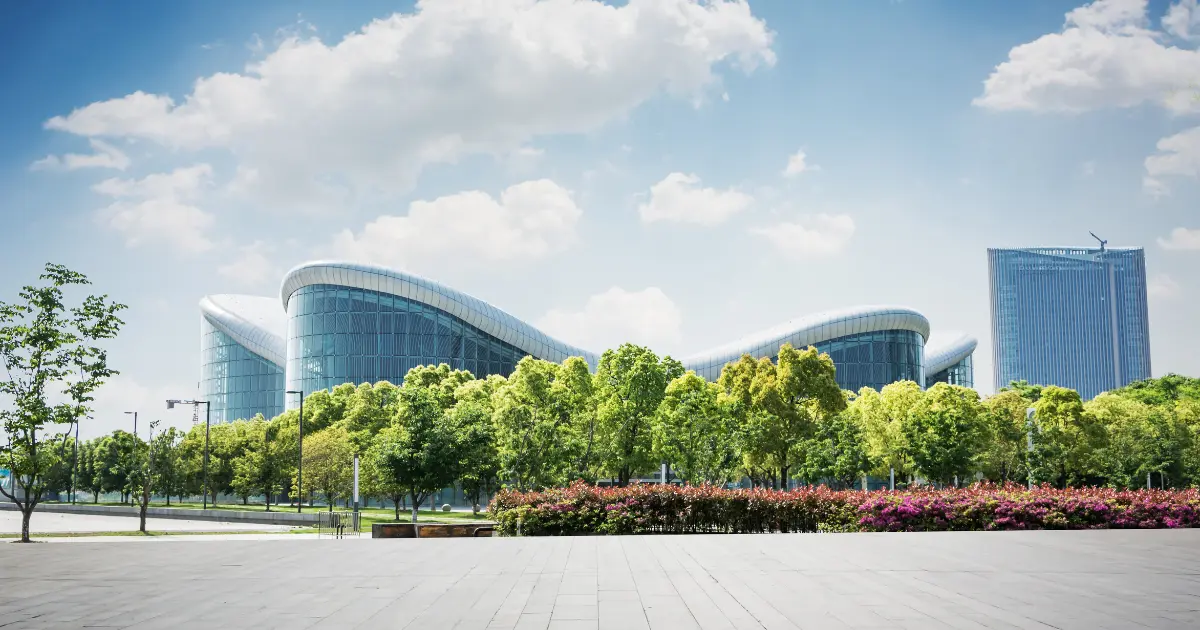
Where are retail parks typically located?
Most retail parks are located in outlying areas, commercial districts, or urban expansion zones. There is a very specific reason for this location: they require large tracts of land and good vehicle access.
They are typically installed in locations with the following characteristics:
Easy access by road.
Good visibility from major roads.
Ample parking space.
Proximity to residential or high-traffic areas.
Opportunities for business growth in the area.
This location attracts customers who are willing to travel to make specific purchases and make the most of their time during a single trip.
Benefits of a retail park for consumers
From the customer's perspective, the retail park offers clear advantages. The first is convenience. Easy access by car, the proximity of stores to one another, and the ease of transporting heavy or bulky purchases make this format particularly practical.
Other common benefits include:
A faster and more straightforward shopping experience.
Better access to large products.
Ample parking nearby.
A wide range of specialized products, all in one place.
Less reliance on indoor routes.
For many consumers, the retail park is a practical choice when they have a specific purpose for their visit rather than simply wanting to spend time there for leisure or a stroll.
Benefits of a retail park for brands
For businesses, a retail park can be a highly attractive strategic location. It offers visibility, spaciousness, and a layout tailored to businesses that require streamlined operations or large-scale product displays.
Among its main benefits are:
Larger stores.
Improved logistics access.
Shared traffic acquisition.
Costs tailored to specific formats.
High visibility from the outside.
In addition, the proximity of complementary businesses can encourage cross-shopping. A customer who goes to buy furniture, for example, may take advantage of the trip to visit home decor, electronics, or DIY stores.
The design of a retail park must meet criteria for accessibility, visibility, and the relationship between retailers. At Cabana, we specialize in designing retail spaces.
When is it a good idea to go with this business model?
The retail park is particularly well-suited for businesses whose products require space, storage, or easy access. It also works well for retailers whose customers tend to make rational rather than impulsive purchases.
Businesses that tend to be a good fit
Brands in the home goods, home improvement, DIY, sports, and large-format grocery sectors are particularly well-suited. Certain food service and retail operators that benefit from the venue’s overall foot traffic may also be a good fit.
Situations where it adds value
This format is particularly useful in expanding urban areas, metropolitan regions with high levels of private vehicle use, or environments where convenience shopping plays a major role. It is also a good solution when the goal is to bring together a specialized selection of retailers without replicating the traditional shopping mall model.
Be part of our corporate architecture for developers and brands.
Common mistakes when defining what a retail park is
One of the most common misconceptions is that a retail park is simply an open-air shopping center. Although both feature multiple retailers in the same area, their design, layout, and overall experience are not the same.
Another common misconception is to think of them solely as home improvement or furniture stores. While these types of stores are very common, a retail park can house a wide variety of businesses, provided they fit within a functional and accessible layout.
It is also often overlooked that this format is the result of a specific business strategy and not merely an architectural choice.
Conclusion
Understanding what a retail park is reveals that it is a format designed to make shopping convenient, accessible, and efficient. Its value lies in bringing together multiple retailers in a single location with a layout that is comfortable for customers and functional for brands.
The retail park stands out for its easy access, spacious stores, and focus on specific shopping needs, often related to bulk or specialty items. Compared to other retail models, it offers an experience that is less centered on leisure and more focused on quickly meeting real needs.
Frequently Asked Questions
What factors are taken into account when designing a retail park?
The design of a retail park focuses on accessibility, the visibility of the stores, and visitor comfort. Factors such as access from major roads, parking layout, internal circulation, and the strategic placement of retailers directly influence how the space functions.
What kinds of businesses typically set up shop in a retail park?
Outlet malls typically house businesses that require large floor space or direct access to facilitate the purchase and transport of goods. It is common to find home goods, DIY, furniture, sporting goods, electronics, grocery, and restaurant stores in large-format locations.
Why are retail parks usually located in outlying areas?
These types of facilities require large plots of land and good access to major roads or highways. That is why they are typically located in outlying areas or urban expansion zones, where it is possible to provide ample parking and facilitate access by private vehicle.
Are you thinking about developing a commercial space?
Author
Cabana Team
Author information