
What is space branding?
Space branding is the strategy that transforms a physical environment into an experience consistent with a brand’s identity. It goes beyond mere decoration or signage: it aims to ensure that every element of the space communicates values, personality, and purpose to create a clearer, more memorable, and more consistent connection with customers, visitors, or teams.
What Does Space Branding Really Mean?
Space branding involves applying a brand’s identity to a physical environment so that the space tangibly conveys who the company is, what it stands for, and how it wants to be perceived. It’s not just about putting a logo on a wall or using certain corporate colors. The key is to create a spatial experience that aligns with the brand’s positioning.
When a brand extends its identity into physical spaces, it transforms offices, stores, hotels, showrooms, and other locations into tangible extensions of its brand story. This makes the user’s experience more consistent and easier to remember.
In other words, spatial branding brings together design, experience, and identity within a single physical language.
What Is the Purpose of Space Branding?
Space branding serves to reinforce brand recognition and ensure that the in-person experience fits into an overall strategy. Many brands pay close attention to their website, visual communication, and tone, but neglect the physical space where interactions take place. That’s where this discipline comes into its own.
A well-designed space can convey confidence, professionalism, innovation, approachability, or exclusivity without the need for words. That ability to communicate immediately is one of its greatest advantages.
In addition, space branding helps businesses stand out in saturated markets. When a space is designed with purpose, it ceases to be a mere container and becomes a strategic tool.
Space branding is more than just decoration
One of the most common mistakes is thinking that space branding is simply about having a nice office or a visually appealing store. In reality, it goes far beyond that. Decor can be part of the result, but it’s not the starting point.
Spatial branding stems from careful consideration of the brand’s identity, the target audience, the type of experience to be created, and the message the space should convey. Based on this, decisions are made regarding layout, materials, circulation paths, lighting, messaging, furniture, and visual elements.
Differences Between Space Branding and Interior Design
These differences help us understand it better:
The decor focuses primarily on aesthetics.
Space branding focuses on identity, experience, and perception.
Decor makes a place more beautiful.
Spatial branding communicates a value proposition.
Decorations can be occasional.
Space branding is part of a strategy.
That's why a space can be beautifully decorated and still not truly represent the brand.
We design spaces that convey a brand's identity
We integrate strategy, identity, and architecture to create experiences that are consistent with each project.
How to Build a Brand Identity in a Physical Space
Space branding is developed through a series of decisions that, together, create a coherent narrative. Every detail matters because users perceive the space as a whole. The feeling a space evokes does not depend on a single element, but rather on how everything fits together.
The work ranges from visible elements—such as colors, materials, and environmental graphics—to more functional factors, such as layout, circulation, and the way people interact with their surroundings. All of these elements must align with the same brand logic.
For example, a brand that wants to project innovation doesn't usually rely on an ornate and rigid space. Similarly, a brand that seeks to foster a sense of closeness shouldn't create a cold or distant environment.
Elements that are part of spatial branding
When it comes to spatial branding, there are several elements that typically come into play to shape the brand experience. Not all of them carry the same weight in every project, but they do help build a consistent and recognizable presence.
Common Components of Spatial Branding
Among the most commonly used resources are:
Colors and materials consistent with the brand identity.
Signage and integrated graphics.
Layout and pathways through the space.
Lighting with both functional and emotional intent.
Furniture that aligns with the brand positioning.
Distinctive textures, shapes, and finishes.
Visual or verbal cues within the environment.
The key isn't in using a lot of elements, but in ensuring that each one serves a purpose and speaks the same language.
User experience as a central focus
Space branding has a lot to do with how a person feels within a given environment. A brand isn't just something you see—it's something you experience. That's why the user experience is an essential part of this strategy.
From the moment someone enters a space, they begin to interpret cues. The welcome, the flow of movement, the ease of use, the ambiance, and the clarity of the environment all influence the final perception. If everything is well aligned, that experience reinforces the brand image. If it isn’t, it creates contradictions.
In stores and retail spaces, this experience can directly influence how long customers stay and their purchasing decisions. In offices, it affects the internal culture and the sense of belonging.
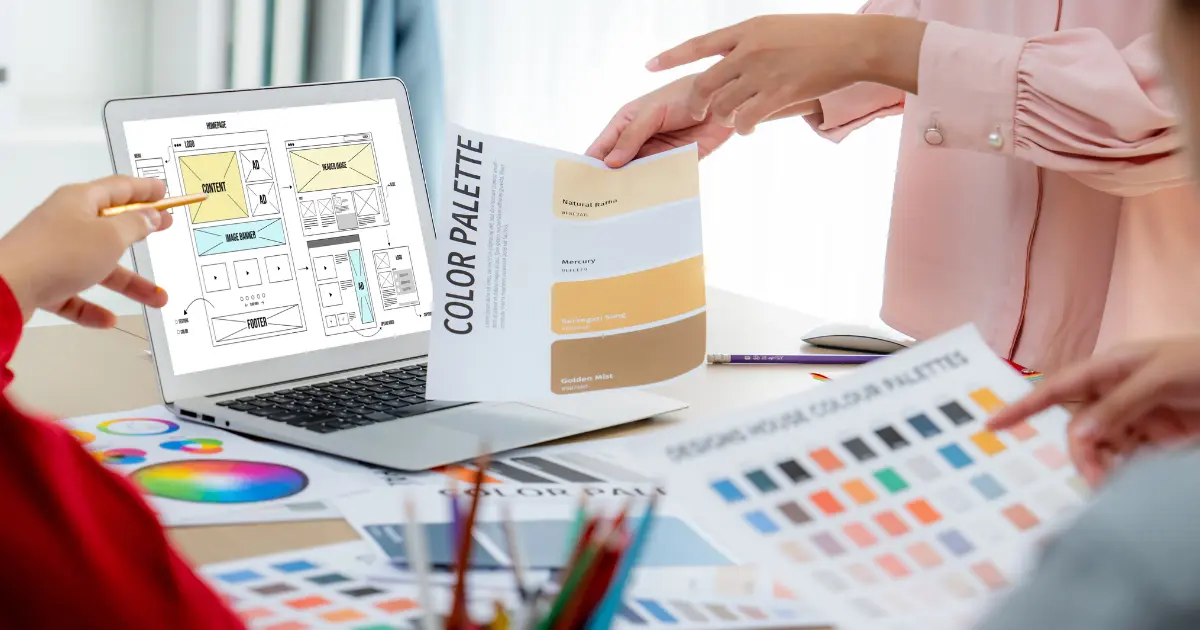
Where is spatial branding applied?
Space branding can be applied in many different types of environments. Although it is often associated with stores or retail spaces, its use is becoming increasingly common in offices, hotels, restaurants, clinics, exhibition spaces, and customer service centers.
In an office, for example, it helps reinforce the corporate culture and convey a clear identity to both employees and visitors. In a hotel, it can create a more distinctive experience that is consistent with the establishment’s concept. In a retail setting, it promotes brand recognition and differentiation.
What benefits does it bring to a brand?
Properly applying spatial branding can yield benefits on both a perceptual and operational level. The most obvious benefit is consistency. When a brand maintains the same visual language across all its touchpoints, it appears more solid and recognizable.
It also sets a business apart, enhances the in-person experience, and helps reinforce its value proposition. A space with a clear identity can build greater trust, leave a more lasting impression, and foster a stronger emotional connection with visitors.
Key Benefits of Space Branding
Some of the most common benefits include:
Greater consistency between the brand and the in-store experience.
Strengthening brand recognition.
Improved professional image.
Greater differentiation from the competition.
Most memorable experiences.
Greater alignment between the brand's positioning and its values.
It's not just about image. It also influences how a business is perceived and remembered.
Branding for Office Spaces and Corporate Environments
In the corporate world, space branding is playing an increasingly important role. Offices are no longer seen merely as places to work, but as spaces that represent a company’s culture and the way it wants to interact with its team and the outside world.
When an office effectively incorporates its brand identity, it helps reinforce values such as innovation, collaboration, sustainability, and approachability. This enhances the internal experience and projects a more consistent image to customers, partners, and candidates.
In addition, a corporate environment with a clear identity can foster team engagement and a sense of belonging. The space becomes part of the company's narrative.
Common Mistakes in Applying Branding to Spaces
Not every branded space is well designed. One of the most common mistakes in space branding is staying on the surface. Simply adding corporate colors or slogans to the wall doesn't guarantee a cohesive experience if the rest of the environment doesn't support it.
Another common mistake is forcing a visual identity without considering the space’s functionality. When the design prioritizes visual impact alone and neglects actual use, the experience suffers. It can also happen that the space conveys values that don’t align with the brand’s reality, creating an artificial or implausible perception.
Common Mistakes to Avoid
Some common mistakes are:
Reducing the strategy to decorative elements.
Ignore the functionality of the space.
Failing to adapt the design to the actual user.
Using a visual identity that lacks spatial coherence.
Create a beautiful setting, but without a clear message.
Avoiding these mistakes is key to ensuring that the brand expresses itself authentically.
Why Space Branding Is Gaining Importance
Space branding is gaining importance because brands are increasingly competing for attention, brand recall, and experience. In this context, physical space becomes an opportunity to communicate directly and in a way that sets a brand apart.
People value not only what a brand says, but also how it puts it into practice. A well-designed space makes that brand promise visible in everyday experiences. This is especially important in businesses where in-person interaction continues to play a major role.
In addition, the rise of more personalized experiences and more carefully curated environments has made strategically intentional design an increasingly valued factor.
In a nutshell: What is space branding?
Space branding is the strategic application of a brand’s identity to a physical environment so that the space communicates, reinforces, and brings to life the essence of the brand. It is not merely about decorating, but about designing a spatial experience that is consistent with the brand’s values, positioning, and objectives.
Its importance lies in the fact that it transforms a space into an active channel of communication. Whether in offices, stores, hotels, or corporate spaces, spatial branding helps differentiate a brand, create a lasting impression, and build a more solid and consistent experience.
Frequently Asked Questions
Who is responsible for developing a spatial branding project?
A spatial branding project typically involves architects, interior designers, branding specialists, and user experience consultants. Collaboration among these professionals makes it possible to translate a brand’s identity into specific spatial decisions, ranging from layout to materials, signage, and ambiance.
Why is branding important for spaces in stores and brick-and-mortar businesses?
In commercial spaces, spatial branding helps customers immediately recognize the brand and have an experience that aligns with its value proposition. A well-designed environment can increase brand recall, improve perceptions of the business, and set it apart from the competition.
What types of projects can spatial branding be applied to?
Space branding can be applied to corporate offices, stores, hotels, restaurants, showrooms, clinics, trade shows, and exhibition spaces. In all these cases, the goal is for the space to convey the brand’s identity and create a consistent experience for those who use or visit it.
Do you want your space to reflect your brand's identity?
Author
Cabana Team
Author information