
In this article, I will break down each stage, the usual timeframes, the factors that prolong the process, and tips for speeding it up.
From the first sketch to the license, a new construction project can take between 6 and 18 months, depending on the municipality, the complexity of the building, and the speed of administrative processing. Understanding each phase helps you plan better and avoid surprises.
Main phases of the new construction project
When tackling a new project, the process can be divided into these main stages:
Study / programming / preliminary design
Basic project and implementation project
Structural calculations, installations, and coordination
Administrative procedures and obtaining licenses
Approval, corrections, and granting of the license
Each phase has estimated but variable deadlines, depending on complexity, local regulations, and resources (technical team, administrative workload).
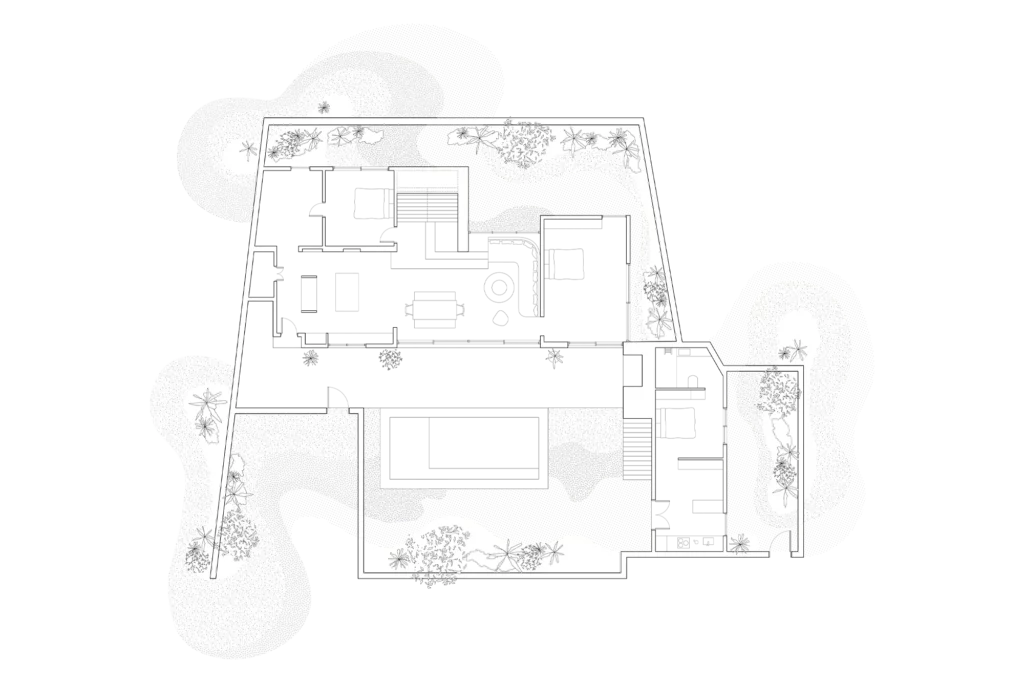
1. Study and preliminary design (1–3 months)
This stage includes:
Site analysis and geotechnical report
Urban planning and feasibility studies
Conceptual proposal or initial sketches
Meetings with clients to define scope
Depending on the project, it can take between 4 and 12 weeks if there are no major modifications.
2. Basic design and detailed design (2–6 months)
Once the preliminary draft has been approved, the complete technical project is developed:
Basic project (report, main plans)
Execution project (construction details, installations)
Structural, acoustic, and thermal calculations, installations
Coordination, details, regulatory verification
For residential or moderately complex buildings, this phase can last between 2 and 4 months, or even longer if the work is extensive.
3. Review, adjustments, and internal validation (1 month)
Before submitting to the city council:
Review by the technical team
Adjustments according to local regulations
Incorporation of customer feedback
Preparation of administrative documentation
This step may take longer if incompatibilities with municipal regulations are discovered.
4. Municipal procedures and project submission (1–3 months)
Once everything is ready, the file is submitted to the city hall. At this stage, the following steps are taken:
File registration
Mandatory technical studies (safety, urban planning, impact if applicable)
Payment of fees
Initial period for investigation by the urban planning department
According to Euroval, "the most common resolution period is three months from the date of submission of the application." Euroval.
However, a report by EY estimates that the actual average time for granting new building permits in Spain is 12 months, despite the shorter legal deadlines. EY.
The Fotocasa portal also indicates that this process usually takes about three months, although in municipalities with high demand it can take up to a year Fotocasa.
5. Corrections, reports, and license granting (additional 1–3 months)
During the administrative review, the city council may request corrections: amendments, missing documents, technical adjustments. This process delays the file:
The administration requests corrections
The designer responds with adjustments.
The new shipment is validated.
Finally, the license is granted.
This cycle can extend the process by one to three months, especially if technical discrepancies arise or there is a lack of resources at the municipal office.
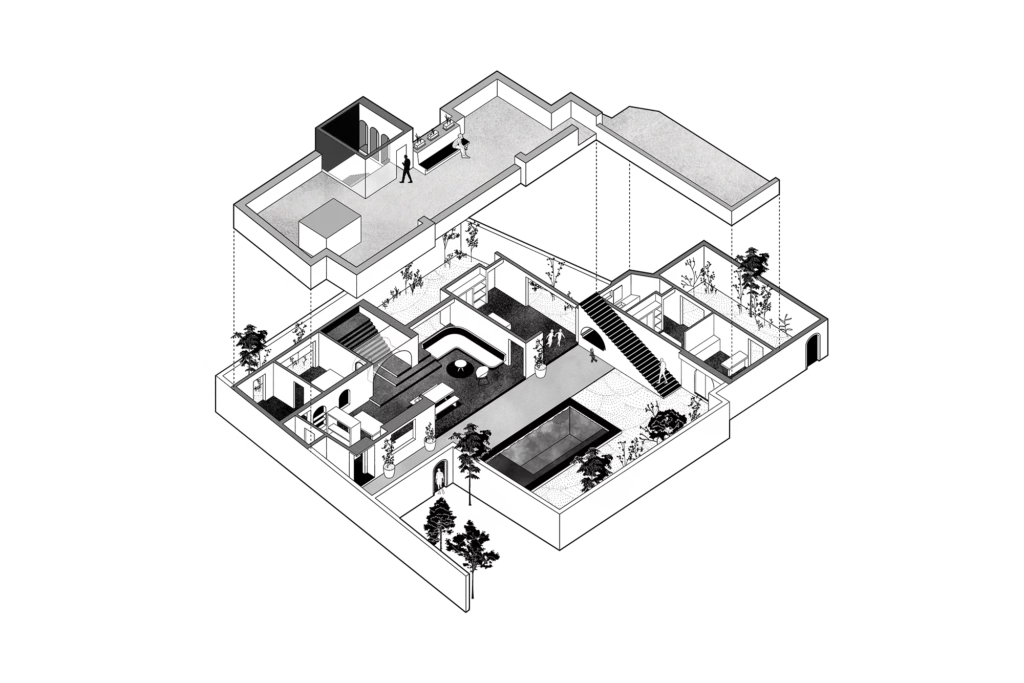
Factors that prolong the process
Here are some variables that can extend the deadlines:
Complex municipal urban planning regulations
Frequent changes by the client
Files in protected areas or areas with heritage restrictions
High workload in urban planning at the city council
Limited technical resources (shortage of architects, engineers)
Numerous corrections or omitted technical requirements
Statements, third-party claims
Typical overall estimate
Adding up all the phases, a new construction project usually takes between:
6 to 9 months for simple projects in municipalities with agile management
9 to 12 months for standard cases with normal procedures
Up to 12–18 months or more, in municipalities with slow processes or special requirements
How to streamline the process
To reduce the time as much as possible, I recommend:
Conduct a thorough preliminary study to avoid surprises.
Coordinate with the urban planning department from the outset
Anticipate technical requirements of the municipality
Include quality controls in the project from the early stages.
Respond quickly to corrections
Have your documentation organized and complete
Having local professionals familiar with city council regulations
Author
Cabana Team
Author information