

How long does it take to construct a building? In practice, the total time frame depends on the size, complexity, licenses, and coordination of the work: for an “average” building, construction usually takes between 18 and 36 months, and if you add design, permits, and legalization, the entire cycle can take 3–4 years when the paperwork or the project requires it.
Overview: From Idea to Keys
Accurately answering how long it takes to construct a building requires considering the entire cycle: preliminary design and project design, licenses and other permits, hiring the construction company, physical execution, inspections, legalization procedures, and delivery. Some phases may overlap partially, but others have critical dependencies that determine the total time frame.
Stages of the process and their weight in the calendar
1) Design and technical project
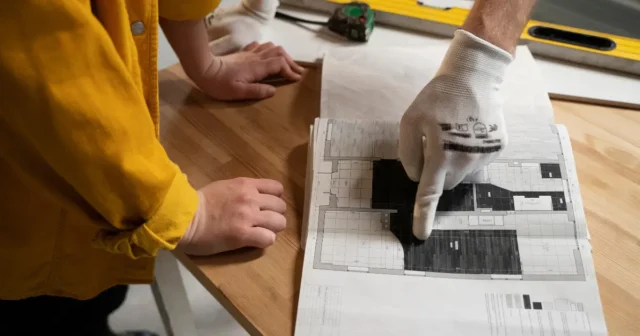
It includes preliminary design, basic design, detailed design, and measurements. Depending on the complexity and the developer’s decision-making, it can take between 3 and 9 months (or longer for unique projects).
2) Licenses and permits
Municipal processing, sector reports, and constraints (heritage, environment, access, occupation of public roads) add several months. In cities with high administrative burdens, this milestone can make a difference when estimating how long it takes to construct a building.
3) Site preparation and foundation
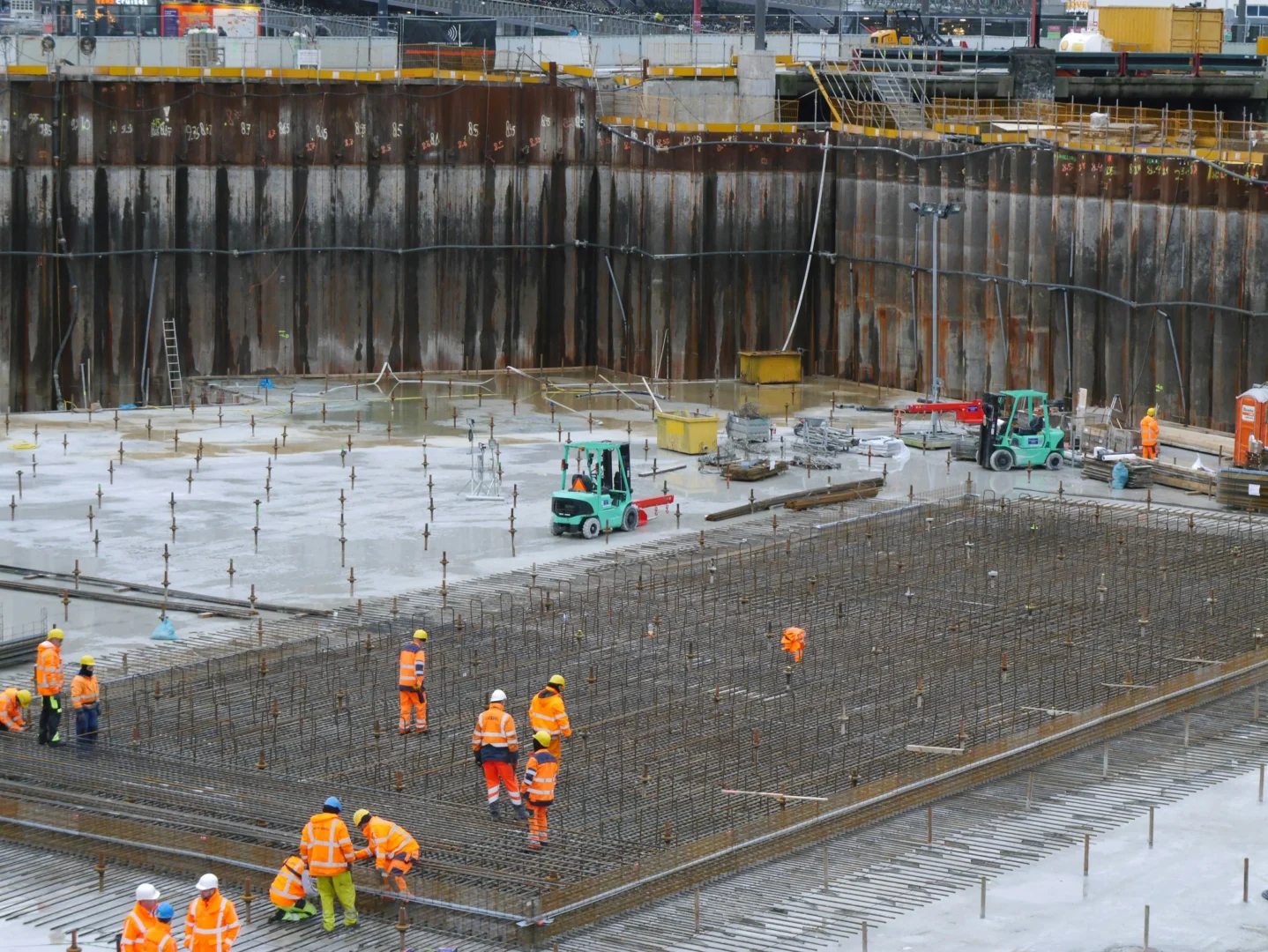
It includes fencing, waste management, earthworks, retaining structures, applied geotechnics, and foundations. It tends to concentrate meteorological risks and surprises in the terrain.
4) Structure and enclosures
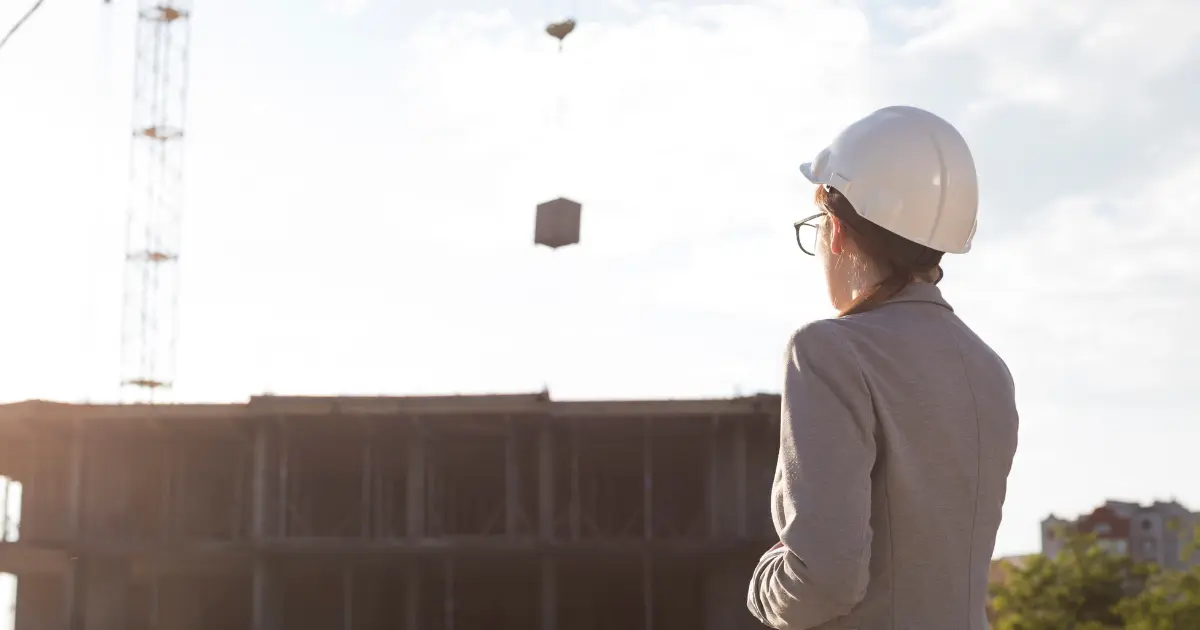
Key milestone in the S-curve of the project. Pace determined by logistics, auxiliary equipment (cranes, scaffolding), and availability of teams.
5) Fixtures and fittings
They are carried out in a coordinated manner (electricity, plumbing, air conditioning, fire protection, ventilation), followed by flooring, carpentry, painting, and operational testing.
6) Inspections, legalization, and delivery
Includes final certifications, first occupancy license management, utility registration, and user and maintenance manuals.
Approximate duration ranges
As a guideline for Spain, the following ranges help to estimate how long it takes to construct a building:
| Project type | Duration of work (execution) | Total duration including design, permits, and legalization |
|---|---|---|
| Medium-sized residential building (6–10 stories) | 18–24 months | 24–36+ months |
| Small building (≤ 5 stories) | 12–18 months | 18–24 months |
| Complex/large-scale project | 24–36+ months | 36–48+ months |
These ranges are averages; each municipality and each plot of land may shift the figures.
In the construction of single-family homes , the timeframes are shorter than for a multi-unit building.”
Actual queries (GSC): timeframes by number of floors and frequent cases
How long does it take to construct a 7-story building?
As a reference, a 7-story building usually falls within the “average residential” range: 18–24 months of construction, and 24–36+ months if you include design, permits, and legalization. It moves toward the upper end of the range if there are basements, complicated urban logistics, or changes during construction.
How long does it take to construct a 20-story building?
A 20-story building typically falls into the “large scale/greater complexity” category: 24–36+ months of construction and 36–48+ months for the entire cycle (design + permits + execution + delivery). The key usually lies in the critical path of the structure, facade, installations, and processing.
Stages of building construction (useful summary)
To serve as a quick checklist, these are the typical stages that most influence the schedule:
- Project (basic + execution) and definition of qualities
- Licenses, reports, and supplementary permits
- Site preparation and foundation work
- Structure + facade enclosure
- Facilities (coordination by trade)
- Finishing touches + functional testing
- Inspections, final documentation, legalization, and delivery
Factors that accelerate or delay deadlines
- Bureaucracy and administrative burdens: the more reports and conditions there are, the more likely the schedule will be extended.
- Size and density: more plants and surface area mean more cycles and coordination.
- Architectural and technical complexity: unique geometries, complex facades, or technical requirements extend deadlines.
- Supply chain and labor: delays in materials or lack of equipment cause downtime.
- Climate and seasonality: this particularly affects earthworks, concrete pouring, and work at height.
- Project changes in progress: each modification usually impacts the critical path.
- Access and urban logistics: limited storage capacity and time restrictions affect production.
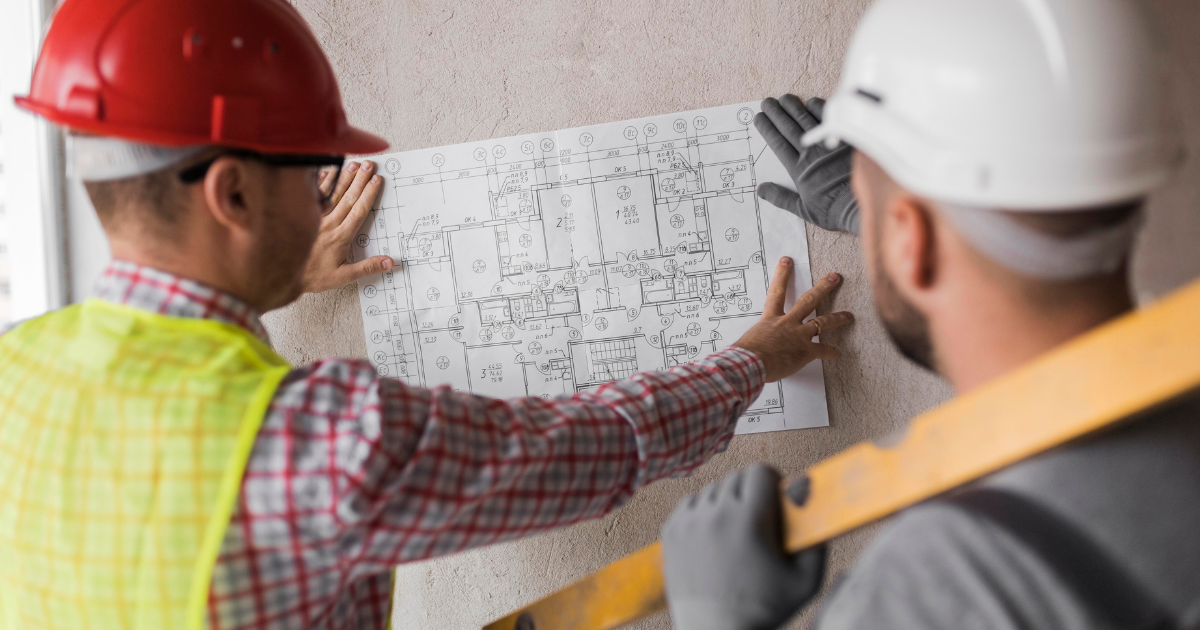
Traditional construction vs. modular/industrialized construction
Industrialization can shorten construction times by manufacturing elements in a workshop and assembling them on site. If you are wondering how long it takes to construct a building using modular methods, it is reasonable to expect reductions of 20–40% in the execution phase, provided that the design is optimized for prefabrication and that administrative procedures do not become a bottleneck.
Sample schedule (practical example)
For an urban development of 30 homes:
- Design and project: 4–6 months
- Permits and licenses: 8–12 months
- Construction period: 20–24 months
- Legalization and delivery: 3–6 months
Estimated total: 35–48 months. With particularly agile management, the range could be compressed to 24–30 months, but this is not the norm.
How can you estimate your due date more accurately?
- Define scope and qualities from the outset, and keep them stable.
- Anticipate local constraints (noise, road occupancy, schedules) and dependencies.
- Plan the critical path with the project management team and the construction company.
- Secure the supply chain for critical items (structure, facades, carpentry).
- Evaluate industrialized alternatives when the design allows it.
- Set aside a temporary cushion for unforeseen circumstances (weather, inspections, repairs).
- Coordinates complementary licenses (connections, cranes, containers, road closures).
Common mistakes that cause delays
- Bidding on a project with an incomplete or poorly defined design.
- Do not align deadline expectations with the actual capacity of teams and suppliers.
- Changing key specifications (facades, bathrooms, kitchens) in the middle of construction.
- Poorly overlapping installations and finishes, generating rework.
- Do not anticipate seasonal stoppages (vacations, weather) in the schedule.
Useful indicators for tracking progress
- S curve (plan vs. actual) by chapter.
- Control milestones: completion of foundations, 50% of structure, closure of facade, completion of mechanical systems, testing, and commissioning.
- Productivity index by batch/plants and trade.
- Plan for internal and municipal inspections with advance documentation.
The time depends on the size of the building, the complexity of the project, and the administrative procedures. In many cases, the entire process can take between one and two years. The process usually includes project design, obtaining licenses, execution of the work, and the final phase of finishing and delivery. The size of the building, technical complexity, availability of materials, weather conditions, and administrative delays all have an influence. Good project planning and coordination between technicians and the construction company can optimize execution times.
Frequently Asked Questions
How long does it take to construct a building?
What are the phases involved in constructing a building?
What factors influence construction time?
Can the construction time for a building be reduced?