

A shopping center renovation involves updating a retail space to improve its image, functionality, competitiveness, and user experience. It is not limited to cosmetic changes; it may also involve changes to the layout, access points, services, technology, retail offerings, and strategy to adapt the property to new market demands.
What Does It Mean to Renovate or Modernize a Shopping Center?
A shopping center renovation is the process by which a shopping center is updated to remain attractive, useful, and profitable. Over time, many shopping centers lose their competitive edge due to physical wear and tear, changes in consumer habits, an outdated image, or a mismatch between what they offer and what the public expects.
Renovation doesn’t always mean completely rebuilding. In many cases, it involves strategically addressing certain key elements to improve the overall performance of the property. This can range from a partial modernization to a more extensive transformation, depending on the condition of the property and its objectives.
Therefore, this initiative should be viewed as a tool for repositioning and comprehensive improvement.
Why a shopping mall needs to be renovated
The need to renovate a shopping center typically arises when the property begins to lose ground to other retail formats, sees its appeal diminish, or fails to meet visitors’ changing expectations. A shopping center doesn’t compete solely on the basis of location or the number of stores. It also competes on the basis of experience, convenience, identity, and adaptability.
Visual clutter, an outdated layout, unattractive common areas, or a retail offering that hasn’t been updated can affect foot traffic and dwell time. In addition, changes in consumer behavior make it necessary to reevaluate how these spaces are used.
Among the most common reasons for renewal are:
- Outdated image.
- Decline in attendance.
- Loss of commercial appeal.
- Aging facilities.
- Poor adaptation to new usage requirements.
Renovating allows you to address these issues before they further affect the asset’s value.
What Does the Renovation of a Shopping Center Really Involve?
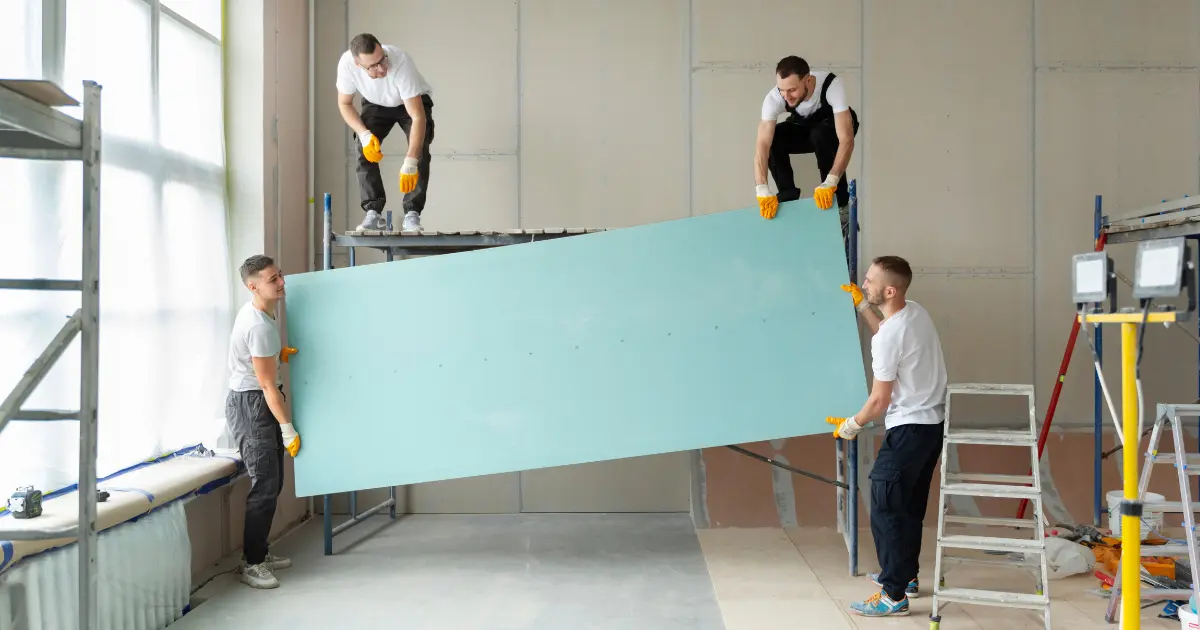
A shopping center renovation can involve physical, functional, and strategic changes. On the physical level, it typically includes improvements to finishes, lighting, flooring, ceilings, facades, signage, and furniture. On the functional level, it may involve changes to entrances, customer flow, common areas, or the relationships between tenants.
It may also involve a review of the center’s positioning, its retail mix, the introduction of new services, or the redesign of certain areas to adapt them to new consumption patterns. In some cases, the modernization includes technology, sustainability, and complementary uses.
Common steps involved in a renovation
According to the project, the following actions may be included:
- Interior and exterior image refresh.
- Improvements to common areas.
- Redesign of routes and access points.
- Renovation of lighting and signage.
- Renovation of vacant spaces or areas.
- Introduction of new services.
- Optimizing the visitor experience.
The scope will depend on the condition of the facility and the desired objective.
Aesthetic and Image Modernization of the Asset
One of the most noticeable aspects of a shopping center renovation is the aesthetic upgrade. A shopping center’s image directly influences visitors’ perceptions. An outdated, dark, or disjointed environment can convey a sense of neglect, a lack of vitality, or a loss of value.
The aesthetic modernization aims to create a space that is more contemporary, attractive, and aligned with the profile of its target audience. This may include new materials, facade improvements, interior design renovations, the incorporation of greenery, updated furnishings, or more carefully designed lighting.
However, this visual element must be based on a deeper rationale. It’s not just about making the center “look better,” but about projecting a more competitive and consistent image.
Improving the Visitor Experience
The shopping center renovation also aims to improve the experience for visitors. Today, visitors don’t just value the retail offerings; they also pay attention to comfort, wayfinding, ease of access, a sense of security, and the overall quality of the environment.
For this reason, many renovation projects focus on aspects such as interior circulation, clear pathways, accessibility, rest areas, the relationship between leisure and shopping, and the integration of more pleasant spaces where people can linger.
Elements That Typically Enhance the Experience
The most important factors usually include:
- More intuitive navigation.
- Improved accessibility.
- Clear signage.
- More comfortable common areas.
- Brighter, more modern spaces.
- Higher quality in complementary services.
When these issues are handled effectively, the center gains in perceived value and improves its ability to build customer loyalty.
Review of the commercial offering and operator mix
A shopping center renovation isn’t just about the building itself. It must also address the tenant mix. The tenant mix is one of the factors that most influences the center’s positioning and its ability to attract foot traffic.
Over time, some tenants may no longer fit the target audience profile or the property’s strategy. As a result, a renovation may involve replacing brands, adding new categories, redistributing tenants, or redefining the balance between retail, dining, and entertainment.
Modernizing a shopping center also means adapting its offerings to new demands. It is not enough to renovate spaces if the offerings remain rooted in a mindset that no longer meets market needs.
Adaptation of common areas and lounge spaces
Common areas play a key role in any shopping center renovation. They are the areas that tie the visitor experience together, facilitate foot traffic, and convey a significant part of the property’s identity. When these areas are outdated, the center loses its appeal even if some of the stores are performing well.
Renovation projects typically focus on indoor plazas, rest areas, entrances, courtyards, dining areas, and gathering spots. The goal is to make these spaces more comfortable, visually appealing, and functional for today’s needs.
En muchos proyectos, esta mejora de las zonas comunes marca una diferencia clara en la percepción general del visitante y en el tiempo de estancia. Su efecto se refuerza cuando el diseño de espacios comerciales de los locales sigue el mismo criterio y evita contrastes entre zonas comunes y superficies de venta.
Technical Upgrades and Operational Efficiency
Another important aspect of shopping center renovation is technical modernization. Many properties need to upgrade their facilities, climate control, lighting, security systems, accessibility, or maintenance to better meet current requirements.
These improvements are not always visible at first glance, but they have a direct impact on operational efficiency and asset quality. A more efficient shopping center can reduce costs, improve comfort, and facilitate more stable management in the medium term.
In addition, technical modernization can prepare the facility for future adaptations, which is especially useful when seeking to extend the building’s useful life without resorting to more drastic measures.
Incorporation of New Uses and Services
A shopping center renovation can go beyond simply improving the existing space to incorporate new uses within the complex. In some cases, this involves adding services that were not previously available, such as workspaces, family areas, event spaces, or complementary offerings related to wellness and extended stays.
It may also involve a partial redefinition of the space to accommodate a more multifaceted or experiential approach. The shopping center thus ceases to be merely a place to shop and becomes a more flexible space adapted to different uses.
The Role of Preliminary Analysis Before Renewal
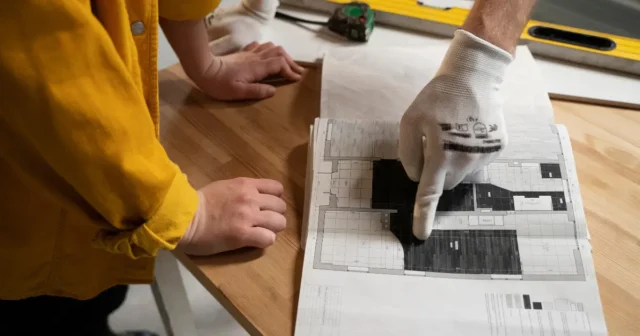
Before undertaking a shopping center renovation, it is essential to conduct a detailed assessment of the property. Not all needs can be addressed through cosmetic renovations, nor do all areas require the same level of intervention. Therefore, a preliminary analysis helps identify what is not working, what opportunities exist, and what type of renovation makes the most sense.
During this phase, aspects such as the condition of the property, visitor behavior, occupancy, positioning, foot traffic, competition, and commercial performance are reviewed. Based on this information, a strategy is developed that is better tailored to the reality of the center.
What is typically analyzed before modernizing
Factors such as the following are typically studied:
- Physical condition of the asset.
- Performance of the business units.
- Quality of access points and routes.
- Target Audience Profile.
- Technical upgrade requirements.
- Potential for repositioning.
Without this diagnosis, the intervention risks amounting to nothing more than a superficial improvement.
Benefits of a Well-Planned Renovation
When a shopping center renovation is well-planned, its benefits can be far-reaching. First, it enhances the property’s image and strengthens its appeal. It can also increase foot traffic, attract new tenants, and improve perceptions of the space’s quality.
Internally, a well-planned renovation helps optimize operations, modernize facilities, and strengthen competitiveness against other retail formats. In addition, it can revitalize underutilized areas and increase the overall value of the property.
It’s not just about modernizing for aesthetic reasons. The real benefit comes when the changes improve both the user experience and performance.
In summary: What does the renovation or modernization of a shopping center entail?
A shopping center renovation involves updating a center to improve its image, operations, offerings, and ability to adapt to the current market. It may include cosmetic renovations, technical upgrades, reorganization of spaces, a review of the retail mix, and the addition of new services or experiences.
More than just a construction project, it is a strategy to regain competitiveness and extend the asset’s useful life. When carried out with a clear vision, modernization makes it possible to transform a shopping center into a more attractive, efficient space that is ready to respond to new consumption patterns.
The renovation of a shopping center is typically considered when the property loses its appeal compared to the competition, has an outdated image, or experiences a decline in visitor traffic. It may also be necessary when consumer habits change or when the facilities no longer meet current standards for comfort, technology, or sustainability. The cost of renovating a shopping center depends on the scope of the project. A cosmetic upgrade may require a moderate investment, while a major overhaul involving the reconfiguration of spaces, renovation of facilities, and a change in tenants may entail a much larger investment. Each case requires a preliminary analysis of the property. A well-planned renovation can increase visitor traffic, improve the user experience, attract new brands, and increase the value of the real estate asset. In addition, it allows the shopping center to adapt to new retail trends by combining retail, dining, entertainment, and services.Frequently Asked Questions
When is it necessary to renovate a shopping mall?
How much does it cost to renovate a shopping mall?
What are the benefits of modernizing a shopping center?