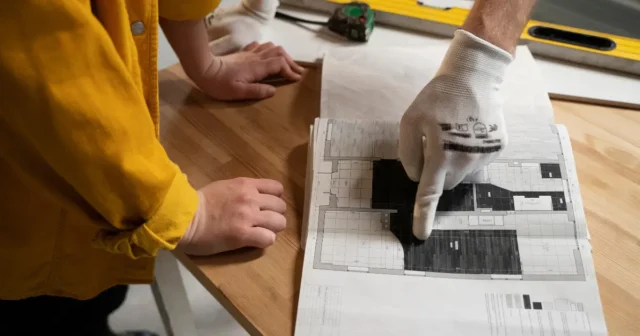


How to start building a building: begin by defining the feasibility and technical design (basic project and executive project), continue with licenses and permits, and start construction when the site is ready (fencing, access, temporary services) and the first earthworks and foundation work are carried out. The key is to meet legal, technical, and safety milestones before “touching” the structure.
What does it mean to “start” a construction project?
In practice, getting started isn’t just about “beginning to build,” but closing three fronts at once:
- Legality: project submitted and permits/licenses granted.
- Technical feasibility: final construction specifications (particularly structure, foundations, and installations).
- Site commissioning: land prepared, access and logistics ready, and safety measures implemented.
1) Initial idea and feasibility
Before starting any construction work, the developer or owner must define the purpose of the building: use (residential, commercial, industrial), estimated volume, desired quality standards, deadlines, and budget.
In this phase, preliminary feasibility studies are carried out:
- Study of urban regulations: review the local urban development plan to find out what volume, uses, and heights are permitted.
- Market or demand study: to determine whether the project is economically viable.
- Initial financial estimates: analyze approximate costs for development, construction, licenses, and contingencies.
If these criteria are not met, the project is discarded or rethought.
2) Technical team and architectural design
Once feasibility has been confirmed, the technical team that will develop the plans and documents is formed. Essential roles include:
- Architect (design, plans, technical report)
- Structural engineer / structural analyst
- Facilities engineer (electrical, sanitation, air conditioning)
- Surveyor
- Quantity surveyor / technical architect
Estos profesionales colaboran para producir el proyecto básico y después el proyecto ejecutivo, donde se detallan dimensiones, materiales, instalaciones, costes y etapas de obra. Es importante que el diseño técnico sea completo para evitar modificaciones en obra que encarezcan el proceso. De ahí que elegir estudio de arquitectura con experiencia en el tipo de edificio previsto condicione la calidad del proyecto ejecutivo y el número de cambios en obra.
Basic project vs. executive project
| Document | What is it for? | What must be resolved |
|---|---|---|
| Basic project | Define the building and process permits | Volumetry, overall compliance, design criteria |
| Executive project for a building | Build “without improvising” | Details, measurements, meetings, structure, and coordinated facilities |
3) Municipal licenses and permits
Before the machinery enters the site, it is essential to obtain the relevant authorizations from the municipality:
- Major building permit (or local equivalent)
- Environmental permits, if applicable
- Approved and endorsed geotechnical study
- Payment of urban planning or impact fees
During this phase, local authorities review and approve the technical project to verify compliance with safety, accessibility, and land use regulations.
4) Preparing the ground
With the license in hand, the site preparation begins. It includes:
- Cleaning of the site (removal of debris, vegetation)
- Earthworks: excavations, backfilling, leveling
- Soil compaction
- Soil and geotechnical study: examine soil behavior and define how the foundations should be constructed.
Here, it is very important to have a reliable geotechnical report to guide the structural design.
What to check before moving on to the foundation
- Re-staking of axes and boundaries of the site (topography).
- Dimensions and leveling according to plans.
- Ground conditions consistent with the geotechnical study.
- Access for machinery and designated storage areas.
5) Foundation and initial structure
Once the site is prepared, the initial structural stages can begin:
- Foundation: footings, piles, foundation slabs according to the project
- Layout and marking: marking the positions of walls, columns, and structural axes on the ground
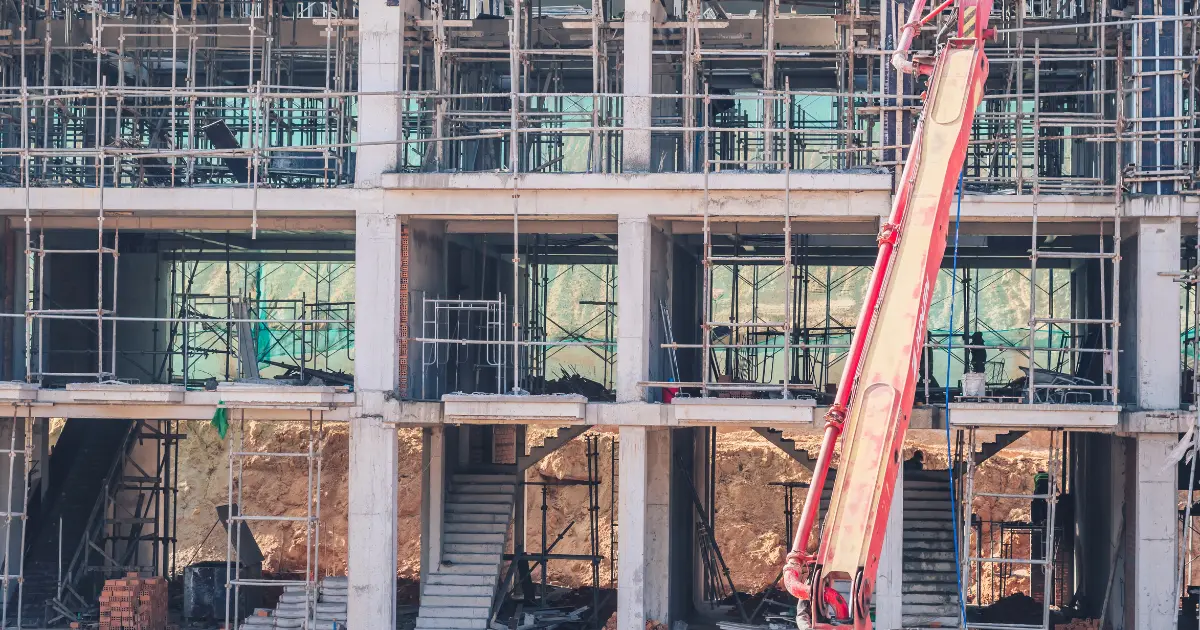
- Erection of structure (pillars, beams, first floor slabs)
In this phase, the start of the building is physically visible. Quality control must be strict: verification of concrete, steel, minimum coverings, levels, and verticality.
Types of foundations (how to decide without resorting to “it depends”)
The choice is based on criteria relating to the land and the building:
- Shallow (footings/slab): when the competent soil is shallow and the loads are compatible.
- Deep (piles): when the resistant stratum is deeper or there is heterogeneity that requires loads to be “carried” downwards.
- Containment (walls/screens): when excavation requires soil support or protection of adjacent areas.
6) Basic facilities and temporary services
Before raising higher elevations, temporary services are installed to facilitate the work:
- Temporary water supply
- Temporary electricity
- Restrooms and storage areas, site offices
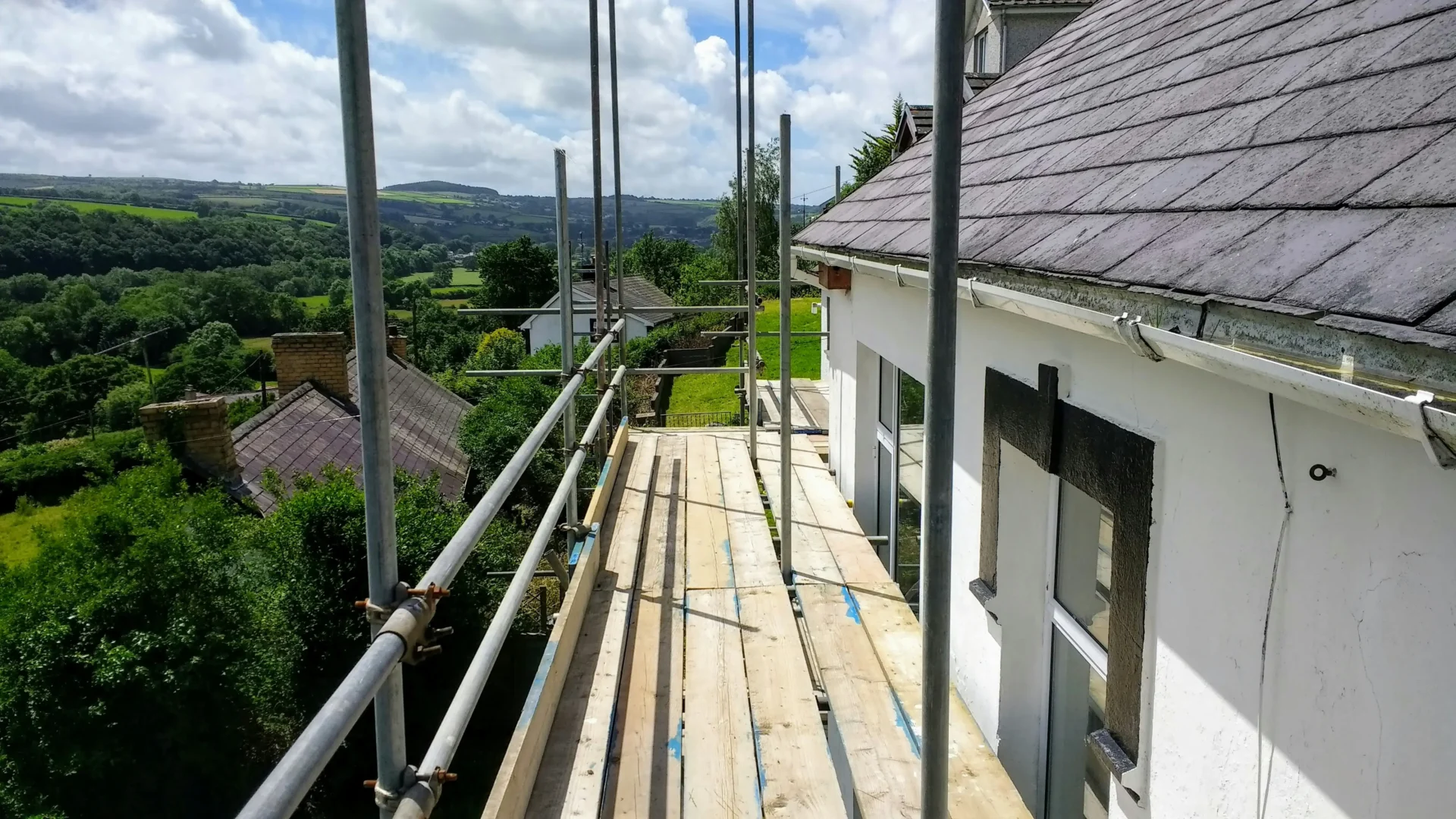
- Scaffolding and temporary ladders
The plans for installations (water, sanitation, electricity) must be coordinated with the structure so that there are no interferences.
7) Organization, logistics, and security
The start of construction also requires:
- Logistics flow design: access routes, material unloading, storage.
- Work plan: sequences, phases, deadlines.
- Safety and health coordinator (if applicable).
- Signage, construction fencing, evacuation routes for materials and workers.
Quick checklist for “work ready to start”
- Fenced and marked plot of land.
- Access points enabled (entry/exit, maneuvers, trucks).
- Defined internal storage and circulation areas.
- Provisional operational services (water/electricity/toilets).
- Planning of initial phases (land → foundation → structure) aligned with the team.
Roles involved in the start of construction
| Phase/scope | Principal responsible | Key comments |
|---|---|---|
| Architectural design | Architect | Generates the program, aesthetics, and distributions |
| Structural calculation | Structural engineer | Define load-bearing elements and resistance |
| Facility design | Facilities engineer | Water, electricity, air conditioning, sanitation |
| Geotechnics / soil report | Geotechnical engineer / surveyor | Determine ground conditions |
| Safety coordination | Safety coordinator | Ensure compliance with regulations |
| Construction management | Quantity surveyor / technical architect | Supervises execution during construction |
8) Formal start of construction: symbolic ceremony and mobilization
Although much of the technical work is done in advance, the project is considered to formally begin when:
- The plot has been fenced off and marked.
- The access and work areas have been refurbished.
- The team, heavy machinery, and materials have already been mobilized to the site.
- The first excavation or foundation has been completed.
This act may be symbolic in nature (such as a minor inauguration), but legally it implies that construction has already begun.
9) Quality control and initial supervision
From the very first meters of structure, the most rigorous quality controls must be put in place:
- Concrete, steel, and mortar testing
- Dimensional and verticality checks
- Verification with working drawings
- Documentary records: construction logs, delivery notes, technical reports
Weak control at the outset can lead to costly structural failures.
10) Subsequent coordination between disciplines
The beginning is not independent of what will come. It is crucial that:
- Architecture, structure, and installations are coordinated to avoid changes to the work.
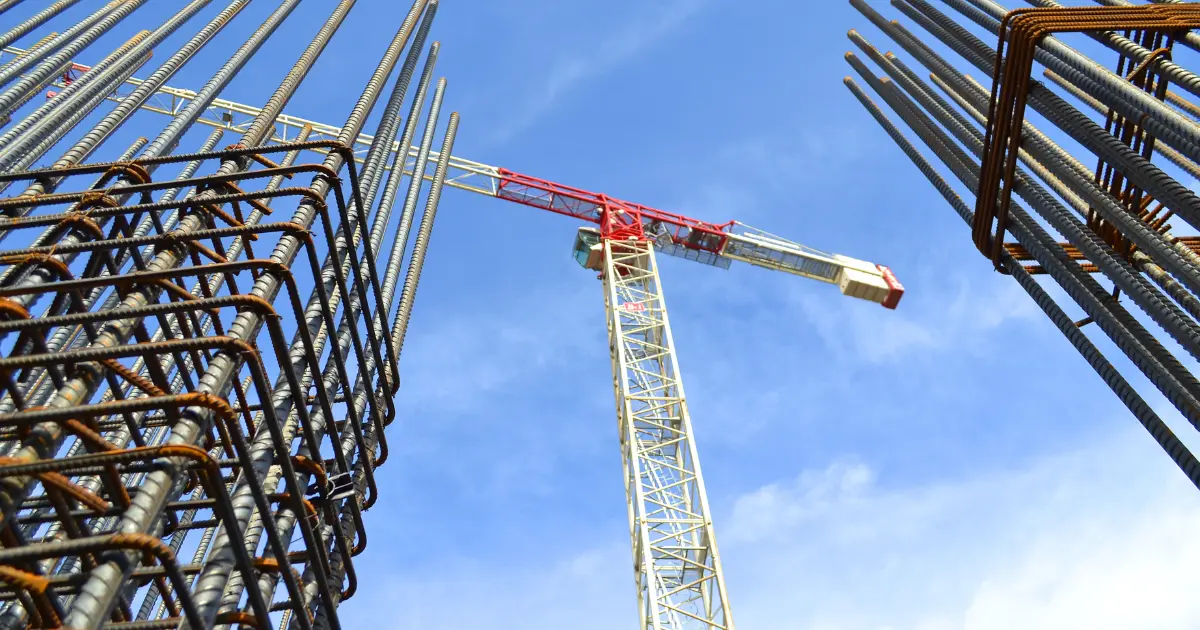
- Planning for successive phases should consider access, cranes, and provision for vertical services.
- Regular reviews of the project should be carried out in case of unforeseen terrain or weather conditions.
Stages of building construction: general map (to locate the start)
| Stage | What’s included | Expected result |
|---|---|---|
| Preview | Feasibility + design + licenses | Project ready for implementation |
| Commencement of work | Land + logistics + security | Land ready for construction |
| Constructive start | Land + foundation + first structure | The physical building is “born” |
| Development | Complete structure + facilities | Functional building shell |
| Close | Insulation, finishes, trims | Final delivery (according to scope) |
Common mistakes that complicate execution
- Starting earthworks with the technical project still “open,” forcing changes to the foundation/structure.
- Failure to coordinate installations with the structure from the executive project stage, causing early interference.
- Underestimating access, storage, and logistics: the project is slowed down by a lack of space and organization.
- Starting without a document control system, making it difficult to trace materials and decisions.
Before starting construction, it is necessary to have an approved architectural plan, obtain the corresponding licenses, and prepare all technical documentation. The start of construction must have the corresponding municipal license and documentation signed by the technicians responsible for the project. Normally, the architect, the technical architect, the construction company, and other professionals who are part of the project management team are involved. Common documents include the execution plan, the building permit, the site survey report, and the order to commence work.Frequently Asked Questions
What steps must be taken before starting the construction of a building?
Who authorizes the start of construction on a building?
Which professionals are involved at the start of a construction project?
What documents are required to start a construction project?