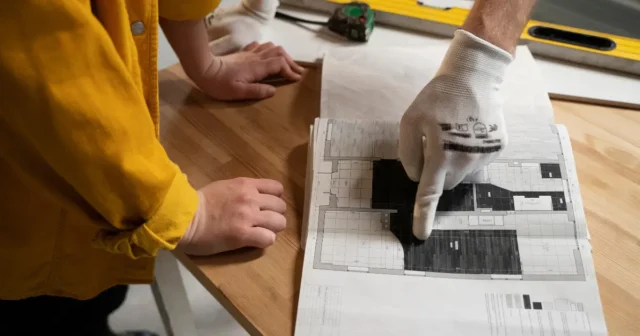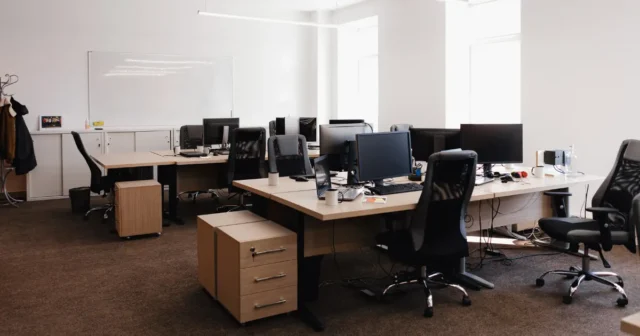


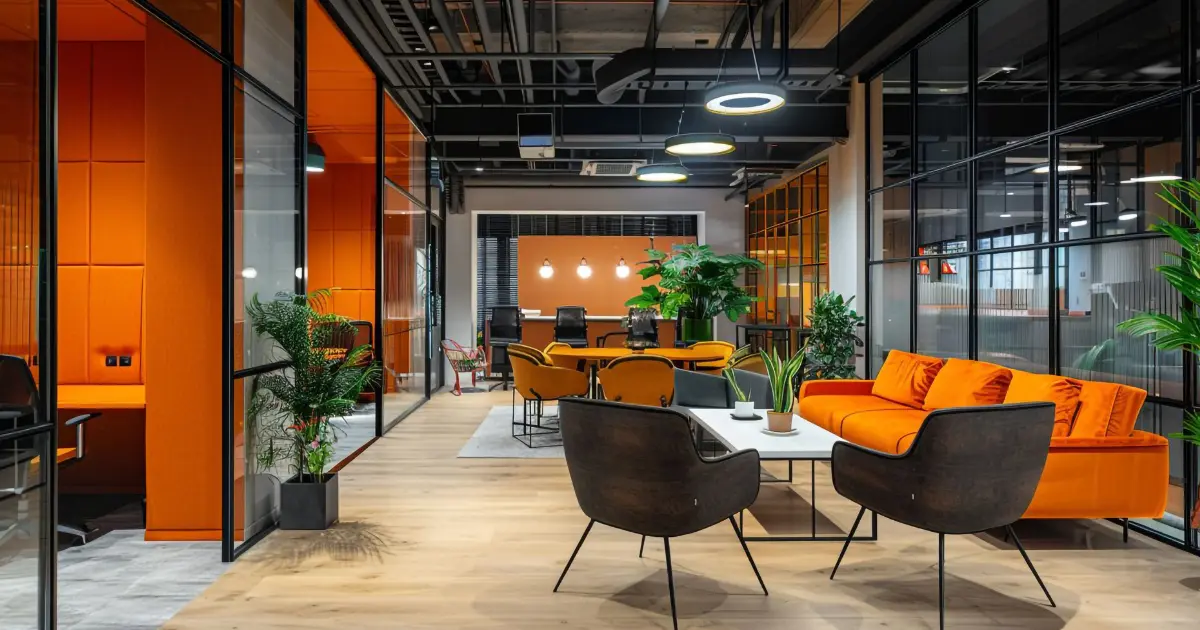
Office design is the process of planning and organizing a workspace to ensure it is functional, comfortable, efficient, and aligned with a company’s goals. It’s not just about aesthetics: it also influences productivity, concentration, collaboration, and the professional image the business projects.
Why Office Design Matters
When we talk about office design, we’re talking about how a company operates on a day-to-day basis. A poorly laid-out space can lead to noise, clutter, discomfort, and wasted time. In contrast, a well-designed office streamlines tasks, improves communication between teams, and helps make the most of every square foot.
Furthermore, the work environment directly influences people’s experience. Lighting, furniture, traffic flow, and the layout of different areas all affect physical and mental well-being. That is why designing an office is not about “decorating,” but rather about creating a system for working within a space.
What’s included in the office design
Office design encompasses several elements that must work together seamlessly. Among the most important are:
- The layout of the space.
- Choosing the furniture.
- Natural and artificial lighting.
- Acoustics.
- Ergonomics.
- The brand’s visual identity.
- Common and private areas.
- Flexibility for future changes.
When these factors are considered together, the result is an office that is more cohesive, more practical, and better suited to the team’s actual needs.
Key Objectives of Office Design
Any office design proposal should address a number of specific objectives. The most common ones are improving productivity, enhancing comfort, and optimizing the use of space.
You may also have other goals, such as projecting a more modern image, facilitating meetings, fostering creativity, or making the office more appealing to clients and employees. In many cases, improving the work environment also helps strengthen the company’s internal culture.
Improve functionality
Functionality is the foundation of any well-designed office. Each area should serve a specific purpose and allow tasks to be carried out without hindrance. This involves considering traffic flow, access to materials, the separation of spaces, and ease of use.
Promote well-being
A comfortable office reduces fatigue and improves the daily experience. Elements such as a suitable chair, a desk at the right height, or well-distributed lighting make a big difference in the medium and long term.
Enhance the brand image
Space also conveys a message. A well-designed office can convey order, professionalism, innovation, or approachability, depending on the image the company wishes to project. That is why it is important for the environment to be consistent with the company’s visual identity and values.
Most Common Types of Office Design
There is no single way to design an office. The best solution depends on the size of the space, the number of people, the type of work, and the company’s style. That said, there are several common approaches.
Open Office
An open-plan office eliminates most physical partitions to bring teams together in a single space. This layout can facilitate quick communication and collaborative work, although it requires effective management of noise and privacy.
Office closed
In this model, each department or professional works in more separate spaces. It is often useful when concentration, confidentiality, or frequent meetings with clients are required. The main challenge is to avoid a sense of isolation.
Hybrid office
This is becoming an increasingly common solution. It combines open spaces, meeting rooms, focused work areas, and informal spaces. This approach allows for adaptation to different work dynamics and offers the team greater flexibility.
Flexible office
Flexible office design prioritizes adaptability. It includes movable furniture, multipurpose areas, and layouts that can be easily reconfigured. It is particularly useful for growing companies or those with teams that frequently change their structure.
Key Elements in Office Design
For an office to function well, simply choosing attractive furniture isn’t enough. There are several key factors that must be carefully considered to achieve a balanced and functional result.
Layout
Layout is one of the most important decisions in office design. It determines how the space is divided and how the different areas connect to one another. A poor layout can obstruct traffic flow or waste valuable space.
Ideally, areas should be organized according to their function: workstations, meeting rooms, reception, archives, break areas, and support spaces. This layout helps ensure that the office is logical and orderly.
Ergonomics and Furniture
A good interior design project is key to office design.
Ergonomics aims to adapt the environment to people, not the other way around. In an office, this means comfortable chairs, properly sized desks, monitors at the right height, and solutions that reduce postural fatigue.
Furniture should be durable, functional, and suited to the actual use of the space. Making the right choice here has a direct impact on day-to-day comfort and the longevity of your investment.
Lighting and visual comfort
Lighting is essential in any office design project. Whenever possible, it’s best to make the most of natural light. This should then be supplemented with well-planned artificial lighting that avoids glare, distracting shadows, or areas that are too dark.
A well-lit environment promotes concentration and reduces eye strain. It also influences the overall perception of the space, making it more pleasant and professional.
Acoustics and Noise Control
One of the most common problems in poorly designed offices is excessive noise. Conversations, phone calls, printers, or high-traffic areas can interfere with concentration if the acoustics haven’t been properly addressed.
To prevent this, office design can incorporate sound-absorbing panels, carpeting, partitions, acoustic ceilings, or strategically placed dividers. The goal is not to eliminate all sound, but to create a balanced environment.
Office design tailored to each company’s needs
Every company has its own way of working. That’s why office design must be tailored to the type of business, the number of employees, and the company’s internal dynamics.
A consulting firm has different needs than a creative agency, a small office has different needs than a corporate headquarters, and a sales team has different needs than a technical department. Before designing, it’s important to analyze daily routines, privacy requirements, technology use, and projected growth.
Small offices
In small spaces, the main challenge is to make the most of every square foot without making the room feel cluttered. Compact solutions, multifunctional furniture, and a clean layout that creates a sense of visual spaciousness work very well here.
Large offices
In large spaces, the challenge is often to organize the layout effectively and avoid cold or undefined areas. In these cases, proper zoning is key to ensuring the office is practical and user-friendly.
Current Trends in Office Design
While functionality should always come first, trends also shape the direction of office design. Today, the focus is on spaces that are more human-centered, flexible, and focused on well-being.
Common features include warm materials, plants, thoughtful lighting, video call booths, and informal areas for quick meetings. It is also highly valued that the office can adapt to different ways of working without major structural changes.
Another growing trend is design focused on the employee experience. This involves thinking not only about workstations but also about the entire daily journey through the office, from the entrance to the break areas.
How to Tell If an Office Needs a Redesign
Many companies don’t consider improving their workspace until obvious problems arise. However, there are very clear signs that an office needs an overhaul.
Some of the most common ones are:
- Lack of space or a feeling of being overwhelmed.
- Constant noise that makes it hard to concentrate.
- Uncomfortable or non-ergonomic workstations.
- Poor lighting.
- Difficulty meeting or collaborating.
- An outdated image or one that doesn’t align with the brand.
When these issues persist over time, redesigning the office ceases to be merely a matter of aesthetics and becomes a strategic decision.
Benefits of Investing in Office Design
Investing in office design can yield real benefits both in terms of operations and brand perception. Among the most notable benefits are improved comfort, optimized space, and a greater sense of order.
It can also boost productivity, team motivation, and provide a better experience for customers or visitors. In the long run, a well-designed office typically reduces distribution errors and avoids costs resulting from hasty decisions.
Conclusion: What Is Office Design and Why Does It Make a Difference?
Office design is much more than just the appearance of a workspace. It is a tool for better organizing daily activities, looking after people, and projecting a professional image that aligns with the company.
When planned thoughtfully, an office can become a more productive, comfortable, and adaptable environment. That’s why understanding what office design entails is the first step toward creating spaces that truly work.
It is the process of planning and designing workspaces to optimize functionality, well-being, and productivity. Because it affects team performance, the work experience, and the company’s image. Layout, lighting, acoustics, ergonomics, and company culture. There are open-plan offices, private offices, coworking spaces, and hybrid models.Frequently Asked Questions
What is office design?
Why is office design important?
What factors influence office design?
What types of offices are there?