
Interior design is the discipline that organizes, enhances, and gives meaning to interior spaces so that they are functional, comfortable, and visually cohesive. It involves more than just decorating; it involves planning how each space is used, how it is perceived, and how it can best be adapted to people’s actual needs.
What is interior design and why is it important?
Interior design focuses on transforming an enclosed space into a more functional, harmonious, and pleasant environment. This involves analyzing the layout, lighting, materials, furniture, and the relationship between each element.
Its importance lies in the fact that a well-designed space improves daily life. A home can be more comfortable, an office more productive, and a retail space more appealing. It’s not just about aesthetics; it’s about ensuring that every square foot serves a clear purpose and adds value.
When interior design is approached correctly, the space better serves those who use it. That is why this discipline combines creativity, strategy, and practical insight.
The difference between interior design and interior decoration
Although they are often used interchangeably, they do not mean the same thing. Decor focuses on the visual aspects of a space: colors, textiles, accessories, furniture, and overall style. Interior design, on the other hand, goes beyond that.
Interior design focuses on the layout of a space, circulation, functionality, and the user experience. It may involve changes to the layout, the selection of materials, or the optimization of natural and artificial light.
The decor completes the look
Decor plays an important role, but it usually comes into play after the functional foundation of the project has been established. First, the space is organized; then its visual identity is enhanced.
Interior design solves problems
Interior design begins with a specific need. This might involve creating a sense of visual space, improving storage, making better use of natural light, or adapting a room for new purposes.
Interior design allows each space to be tailored to the needs, lighting, and lifestyle of its inhabitants.
Key Objectives of Interior Design
This discipline has several objectives that work together. The first is to improve the functionality of the space. The second is to achieve a cohesive aesthetic. The third is to create a sense of well-being.
Good interior design aims to ensure that the space:
Make it comfortable for the people who use it.
Make sure the layout is clear and logical.
Make the most of the light and ventilation.
Reflect a distinct visual identity.
Respond to real needs, not just trends.
For this reason, interior design should not be viewed as a luxury, but rather as a tool for living or working better.
Key elements in an interior design project
To understand how this field works, it is helpful to be familiar with the elements that are typically involved in any project.
Layout
Layout is one of the cornerstones of interior design. It determines how each area is organized, what pathways exist, and how the available space is utilized.
Poor layout can make a space feel uncomfortable, cramped, or chaotic. On the other hand, good planning can enhance the sense of space and make daily use easier.
Lighting
Lighting completely transforms the way a space is perceived. It not only affects visibility, but also influences the atmosphere, comfort, and sense of spaciousness.
Natural light is usually maximized, while artificial lighting is designed to suit the specific activity in each area. A kitchen, a bedroom, and a meeting room don’t all require the same lighting.
Materials and finishes
Materials add texture, style, and character. They also affect maintenance, durability, and the atmosphere of the space.
Wood, stone, metal, ceramic, glass, or fabric can be combined to enhance a particular style. In interior design, each material should be chosen for its function and visual impact.
Color and Perception
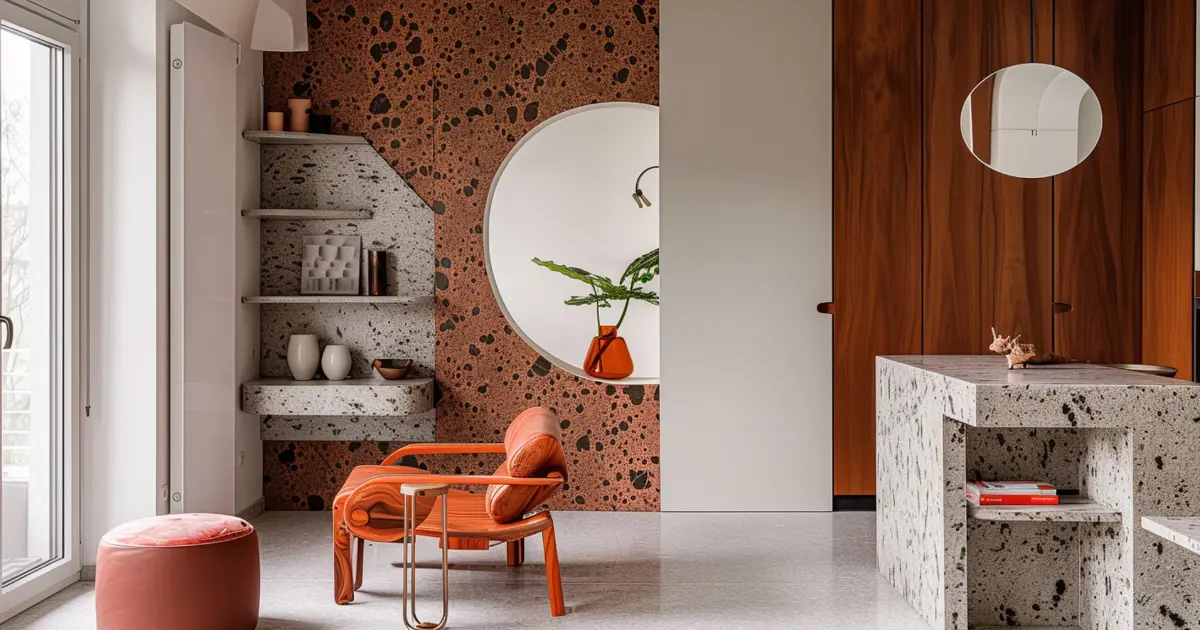
Color has a direct impact on how a space is perceived. Light tones tend to make a space appear larger, while dark colors add depth or sophistication.
Choosing the right color palette helps maintain the overall cohesion of the space and evoke specific feelings depending on how the space is used.
How it is applied in different types of spaces
Interior design can be adapted to a wide range of contexts. Although the general principles are similar, each type of space requires different priorities.
In a home, the goal is usually to achieve comfort, organization, and a sense of personality. In an office, the focus is typically on productivity, ergonomics, and ease of movement. In a retail space, in addition to aesthetics, the customer experience and product presentation are of great importance.
This shows that interior design does not follow a single formula. Each project must be tailored to its context, budget, and the actual use of the space.
Housing
In houses and apartments, interior design aims to create welcoming, practical spaces that are tailored to the lifestyle of the people who live there.
Workspaces
In offices and workspaces, the focus is on improving comfort, concentration, and organization.
Cuando el proyecto se centra en una sede o unas oficinas, ese enfoque se concreta en el diseño de oficinas, con zonas de reunión, acústica y puestos dimensionados por uso.
Commercial spaces
In stores, studios, or businesses, space also conveys a message. The layout and visual appeal influence how the brand is perceived.
Stages of Interior Design
An interior design project is typically carried out in stages. This allows decisions to be made in an orderly and consistent manner.
First, the existing space is analyzed. Next, needs, constraints, and objectives are identified. Then, a proposal for the layout, style, and materials is developed. Finally, the design is finalized with furniture, lighting, and finishes.
This process helps prevent common mistakes, such as buying pieces that don't fit, overcrowding a room, or ignoring everyday functional needs.
What does an interior designer do?
An interior designer analyzes a space, identifies opportunities for improvement, and proposes solutions tailored to each specific situation. Their work combines technical expertise with an eye for aesthetics.
It’s not just about choosing colors or furniture. It’s also about considering traffic flow, proportions, lighting, materials, and functionality. In many cases, its value lies in anticipating problems and transforming an impractical space into a well-balanced environment.
In addition, they interpret the client’s needs and translate them into a clear proposal. That ability to combine functionality and style is one of the keys to this profession.
Benefits of Good Interior Design
The benefits of interior design are evident both visually and practically. A well-designed space is more comfortable, conveys a sense of order, and enhances the everyday experience.
Among its most notable advantages are:
Better use of available space.
A greater sense of spaciousness and balance.
More comfortable and functional spaces.
Better adaptation to real-life routines.
A more consistent and polished aesthetic.
It can also help reduce impulsive decisions, since everything is planned with a clear purpose in mind. This makes it possible to create spaces that are more enduring and less dependent on passing trends.
Common mistakes in interior design
One of the most common mistakes is focusing solely on appearance. Many people choose furniture or colors without considering proportions, lighting, or traffic flow. The result may look nice at first glance, but it can be uncomfortable in everyday use.
Another common mistake is overcrowding a space. In interior design, less doesn't always mean empty, but it usually means greater clarity. An overcrowded space loses functionality and balance.
It’s also common to overlook lighting or fail to establish a cohesive color scheme. These details can completely alter the final impression of the space.
Conclusion
Understanding what interior design is allows us to appreciate everything it offers beyond mere decoration. It is a discipline that enhances the relationship between people and the spaces they inhabit, use, or share every day.
Good interior design organizes, optimizes, and gives meaning to a space. It makes a room more functional, more comfortable, and more pleasant. That’s why taking the time to plan it well can make a big difference in any project, whether it’s a home, an office, or a business.
Frequently Asked Questions
When is it a good idea to undertake an interior design project?
An interior design project is recommended when renovating a home, converting a commercial space, or improving a workspace. It is also useful when the current space does not adequately meet day-to-day needs or when you want to optimize the layout and make the most of the available space.
What factors are considered before designing an interior space?
Before developing an interior design project, factors such as the existing layout, natural light, circulation between areas, storage needs, and the actual use of the space are carefully considered. This analysis enables more informed decisions regarding materials, furniture, and lighting.
Why is it important to plan the interior design before decorating a space?
Planning the interior design allows you to organize the space properly before choosing decorative elements. This helps you avoid buying furniture that doesn’t fit, overcrowding the room, or wasting valuable space. When the design foundation is well-established, the decor serves as a complement that enhances the final result.
Do you want to improve the design of your home?
Author
Cabana Team
Author information