

Building a hotel with 20 rooms can cost anything from a moderate investment to a very high figure, depending on the type of establishment, the location, the level of finishes, the land, the building services and the business model. There is no single price, because every hotel project depends on many technical, legal and operational variables.
What building a 20-room hotel depends on
When analysing how much it costs to build a hotel, the first thing to understand is that it is not calculated solely on the number of rooms. Two hotels with 20 rooms can have completely different budgets if factors such as category, the size of the communal areas, the complexity of the works or the type of plot change.
Developing a simple urban hotel does not cost the same as a boutique hotel with exclusive design, a restaurant, a spa or outdoor spaces. Nor does building from scratch cost the same as converting an existing building for hotel use.
That is why, before talking figures, it is worth studying the real scope of the project rather than simply multiplying rooms by an estimated cost.
Indicative cost by type of hotel project
To estimate how much it might cost to build a hotel with 20 rooms, it is usually helpful to work with ranges. The total budget changes according to the level of the establishment and the services it incorporates.
As a guide, a small hotel can require a considerable investment even before it opens its doors, since the property not only has to be built or adapted, but also fitted out, licensed and brought into operation.
Indicative investment ranges
Broadly speaking, a 20-room hotel can fall within these scenarios:
- Basic, functional project: contained investment.
- Mid-range hotel: intermediate investment.
- Boutique or high-end hotel: high investment.
- Project with extra services and premium design: very high investment.
The difference between one case and another can be enormous, because the final budget depends on the sum of construction, interior design, building services, licences, furniture, equipment and opening costs.
The land or property completely changes the budget
One of the most influential factors when thinking about building a hotel is whether the property is already available or whether land or a building has to be acquired. This point can radically alter the total budget.
If the developer already owns a property suitable for the project, the cost is concentrated on adaptation, refurbishment or construction. If, on the other hand, an asset also has to be purchased, the overall investment rises significantly from the outset.
It also matters whether it is a new build or a conversion. Adapting an existing building may seem cheaper at first, but in some cases structural, regulatory or services limitations emerge that push up the final cost.
Construction, refurbishment and adaptation of the building
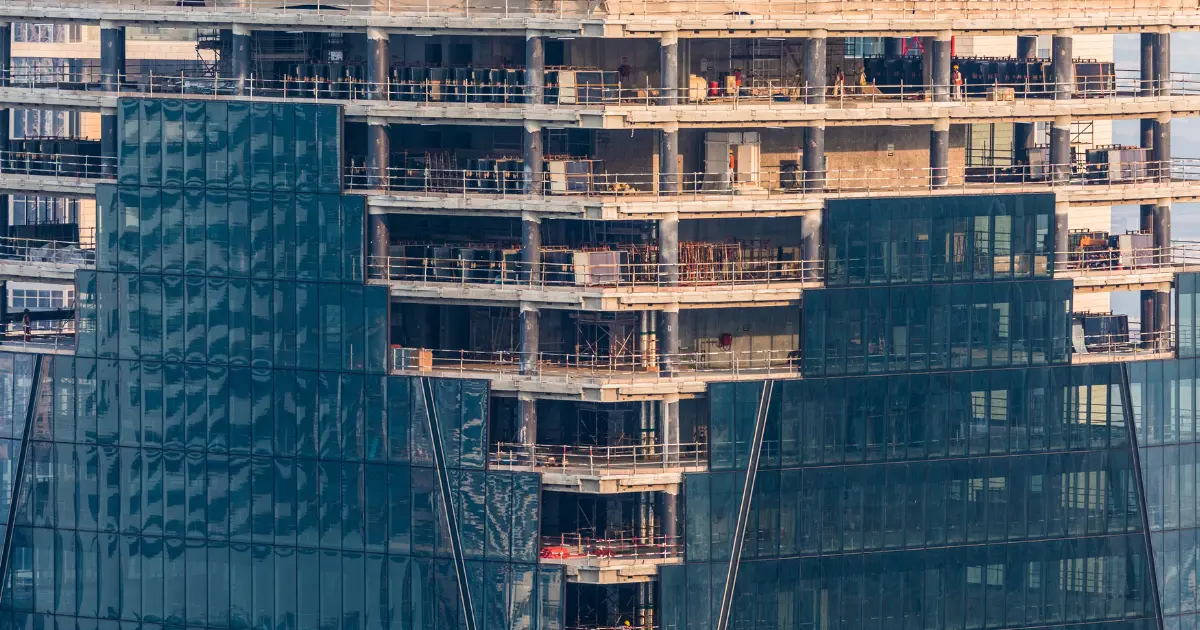
The construction works usually represent one of the largest blocks when calculating how much it costs to build a hotel. This includes the structure, envelope, interior layout, finishes, bathrooms, building services, accessibility and all the work needed for the property to operate as accommodation.
In a 20-room hotel, this phase is not limited to the rooms. The reception, corridors, plant rooms, service areas, communal areas and any complementary spaces also have to be built or adapted. The higher the intended quality, the higher the cost per square metre.
Hotels also demand very careful technical execution, as they must perform well in terms of acoustic comfort, safety, durability and maintenance.
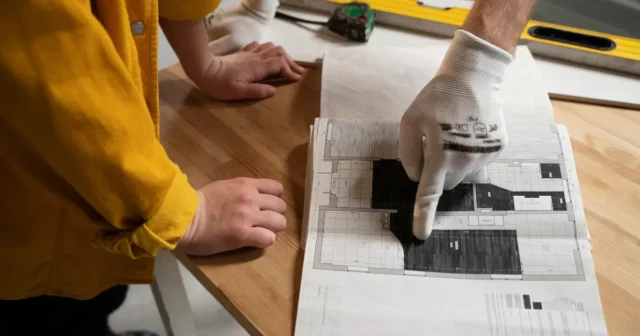
That is why the scope of the works should come from a hotel design project that sets out floor areas, materials and technical solutions before asking contractors for quotes.
Technical installations and mandatory requirements
When assessing building a hotel, the weight of the building services is often underestimated. Yet this chapter can have a major impact on the budget. Air conditioning, ventilation, plumbing, electrics, telecommunications, fire protection and control systems are all essential.
In hotel use, these installations must respond not only to functional needs but also to regulatory requirements and continuous operation. A minimal solution is therefore not enough. The system must be prepared for intensive use and for a comfortable guest experience.
Installations that usually have the greatest impact
Among the most significant technical items are usually:
- Air conditioning and ventilation.
- Electrics and lighting.
- Plumbing and hot water.
- Fire protection.
- Security and control systems.
- Telecommunications and connectivity.
These items can send the budget soaring if the project has a high level of demand or a complex configuration.
Interior design, furniture and hotel equipment
Another decisive block when estimating how much it costs to build a hotel is everything related to interior design and equipment. Having the building finished is one thing; leaving it ready to operate with a professional image and a coherent experience is quite another.
Each room needs beds, mattresses, headboards, lighting, curtains, furniture, a television, air conditioning, decorative elements and bathroom fittings. To this are added the reception, communal areas, pantry, laundry, staff areas and any complementary space.
If the hotel wants to position itself with a differentiated offering, this chapter carries even more weight. In many cases, a significant part of the establishment’s perceived value depends precisely on this investment.
Licences, technical design and professional fees
To build a hotel, executing the works is not enough. There is also a technical and administrative phase that must be included in the budget. This covers professional fees, preliminary studies, project drafting, site supervision, licences, charges and any reports that may be required.
These costs vary according to the municipality, the type of asset, the complexity of the project and the documentation required. In some cases, specific studies, legalisations or adaptations to comply with accessibility, activity, safety or efficiency regulations must also be considered.
This block is not always the most visible when calculating the budget, but it is essential to avoid deviations from the outset.
Start-up costs before opening
When talking about how much it costs to build a hotel, people often think only of construction and equipment. However, before opening there are also start-up costs that must be included in the total investment.
These include initial staff recruitment, operational set-up, utilities, basic stock, management systems, launch marketing, training and possibly several months of running-in until commercial stability is reached. A hotel does not perform at one hundred per cent from day one.
Opening expenses that are often forgotten
Among the most common are:
- Staff selection and recruitment.
- Branding and marketing materials.
- Management and booking software.
- Initial purchase of linen and consumables.
- Launch activities.
- Working capital for the first few months.
Taking these items into account helps to calculate a more realistic, less optimistic investment.
The hotel’s category makes a big difference
Building a hotel with a simple, functional approach does not cost the same as developing a hotel with a more ambitious proposition in terms of design, experience and services. The category of the establishment influences almost every item: rooms, bathrooms, furniture, building services, communal areas and level of detail.
A budget hotel tends to optimise floor area and equipment. A boutique or higher-category hotel, on the other hand, needs a larger investment in image, materials, comfort and complementary services. It may also require more square metres per room and more provision in communal areas.
That is why defining the positioning well from the start is key. A common mistake is to plan a hotel with high aspirations but with a budget that is insufficient to sustain that level.
Profitability, size and balancing the investment
Before deciding how much to invest in building a hotel, it is important to assess whether the project will be profitable with 20 rooms. This size can work very well in certain contexts, but it requires very careful adjustment of costs, expected occupancy, average rate and operating model.
A small hotel can have charm, personality and more personal management, but it also spreads its fixed costs across fewer accommodation units. That demands a clear concept and a coherent financial structure.
The budget, therefore, should not be defined solely in terms of what it costs to build, but also in terms of what the hotel will be able to return in the medium term.
How to calculate a more realistic estimate
The best way to estimate how much it costs to build a hotel with 20 rooms is to work from a preliminary study that covers floor area, type of asset, category, location, technical needs and commercial objective. Without that foundation, any figure will be too generic.
The most advisable approach is to break the project down by item: property, construction works, building services, interior design, licences, equipment and opening. From there, a realistic range can be built and the decisions that make the investment more expensive or more efficient can be identified.
The sooner this analysis is carried out, the easier it will be to make sound decisions and avoid surprises in later phases.
In summary: how much it costs to build a 20-room hotel
Building a hotel with 20 rooms can involve a highly variable investment, since it depends on the property, the construction works, the location, the category, the building services, the equipment and the start-up costs. There is no universal figure, but there is a clear conclusion: a hotel project needs prior analysis, a detailed budget and a realistic strategy.
Rather than looking for an isolated number, it is worth understanding which items make up the investment and how they affect the viability of the business. Only then is it possible to plan a 20-room hotel on a solid, profitable and well-planned basis.
The total floor area depends on the size of the rooms and the communal areas. As a guide, a 20-room hotel can occupy between 800 and 1,500 m², including reception, corridors, service areas and any additional spaces such as a restaurant or communal lounges. It depends on the condition of the property and its compatibility with hotel use. Refurbishing a building may seem cheaper at first, but if it requires structural changes, regulatory adaptation or a complete renewal of the building services, the cost can approach or even exceed that of a new build. Opening a hotel normally requires planning permission, an activity licence, compliance with regional tourism regulations, safety and fire protection certificates, as well as meeting accessibility and habitability requirements under current legislation.Frequently Asked Questions
How many square metres does a 20-room hotel usually have?
Is it cheaper to refurbish an existing building or to build a hotel from scratch?
Which licences are needed to open a small hotel?