

How long a new construction project takes depends on the complexity of the building, municipal regulations, and administrative efficiency. In general terms, the process from the first sketch to the license can take between 6 and 18 months. Understanding each phase and its potential obstacles allows for careful planning and reduces avoidable delays.
When you ask yourself how long a new construction project takes, you are considering a process that involves preliminary studies, technical development, and administrative procedures until a license is obtained.
Phases of a new construction project before the license is granted
The process can be divided into five main blocks:
- Study and preliminary design
- Basic and implementation project
- Internal review and validation
- Municipal processing
- Corrections and concessions
Each phase has approximate deadlines, but these may vary depending on the complexity of the task and the functioning of the city council.
1. Study and preliminary design (1–3 months)
This is the strategic phase. Here, we determine whether the idea is viable and under what conditions.
Includes:
- Terrain analysis
- Urban planning study
- Geotechnical report
- Conceptual proposal
- Meetings to define scope and requirements
Puede durar entre 4 y 12 semanas si no hay cambios relevantes. Se alarga si el cliente modifica el programa o si el solar presenta condicionantes técnicos. Un equipo de arquitectura en Madrid que conozca el planeamiento municipal detecta esos condicionantes en las primeras semanas, cuando corregirlos aún no cuesta meses.
What can delay it:
- Uncertainty in scope
- Continuous adjustments to surfaces or layout
- Urban planning restrictions detected late
2. Basic design and detailed design (2–6 months)
Once the preliminary design has been approved, the complete technical documentation is developed.
Includes:
- Main report and plans (basic project)
- Construction details (execution project)
- Structural calculation
- Facilities
- Regulatory justification
In residential projects of medium complexity, it can take between 2 and 4 months, although this may be extended if the building is large or technically demanding.
What determines the duration
- Level of definition required by local regulations
- Number of construction systems
- Coordination between technical disciplines
- Changes requested during development
3. Review and administrative preparation (≈1 month)
Before submitting the file, an internal review is conducted:
- Regulatory compliance verification
- Final technical adjustments
- Integration of customer feedback
- Preparation of administrative documentation
This step avoids subsequent corrections. If incompatibilities with municipal regulations are detected, it can be expanded.
4. Municipal processing (initial 1–3 months)
With the file submitted:
- The request is registered.
- Fees are payable
- Technical review begins
- Urban planning studies regulatory compliance
Legal deadlines are often shorter than actual deadlines. In municipalities with a high administrative workload, the actual time required can be significantly longer.
5. Corrections and license granting (1–3 additional months)
During the review, the city council may request corrections:
- Provision of additional documentation
- Technical adjustments
- Regulatory clarifications
Each request partially restarts the validation circuit. If the responses are quick and complete, the impact is reduced; if they are partial or delayed, the process is prolonged.
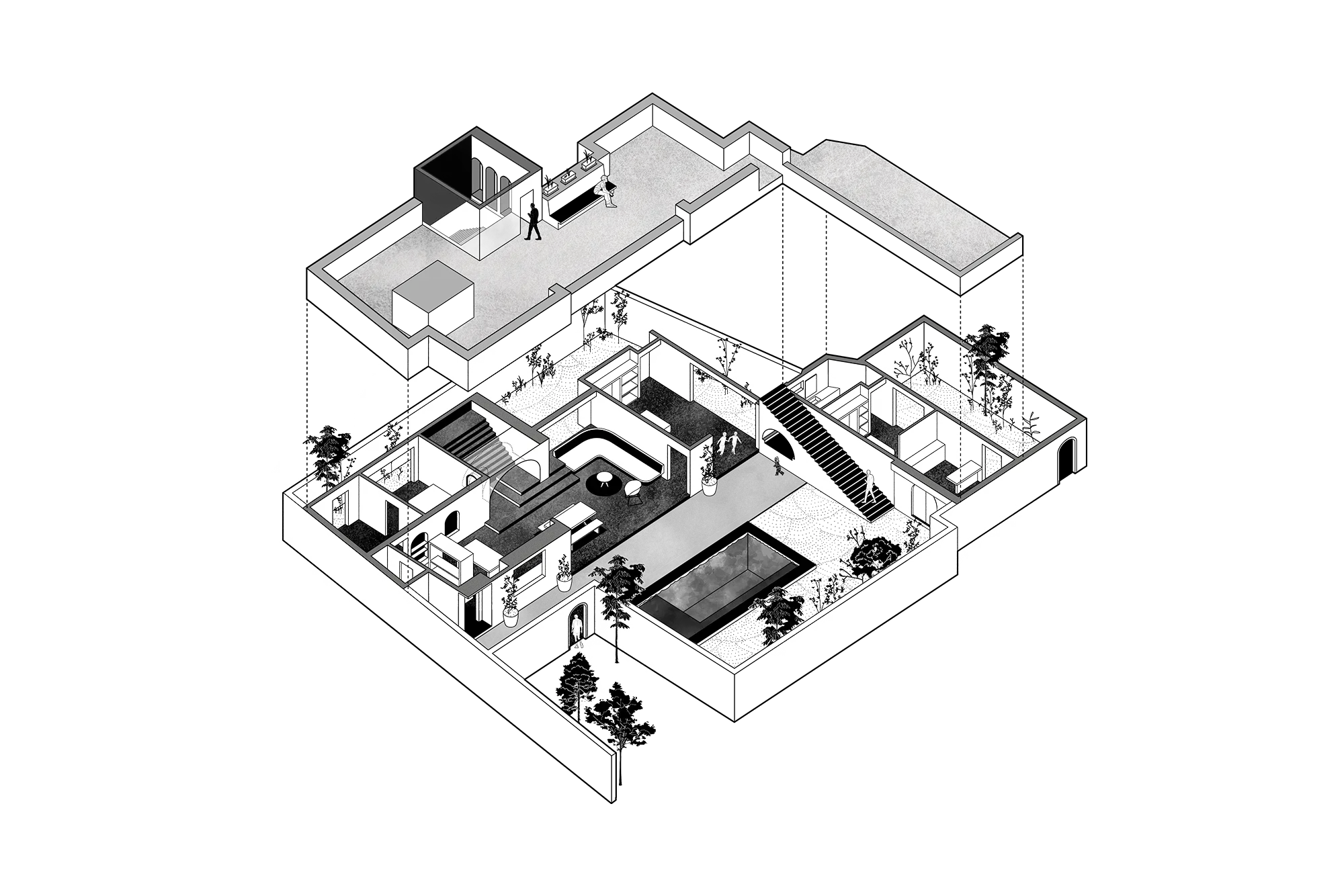
Overall estimate of the timeframe
As a guideline:
| Project type | Approximate time frame |
|---|---|
| Simple project in an agile municipality | 6–9 months |
| Standard case | 9–12 months |
| Municipality with high demand or special requirements | 12–18 months or more |
It depends mainly on the technical complexity and the pace of administrative processing.
Factors that most influence how long a new construction project takes
Delays tend to occur at the following points:
- Complex urban planning regulations
- Frequent changes in design
- Files in areas with specific restrictions
- High workload at the town hall
- Incomplete documentation
- Repeated corrections
If a project “drags on,” it usually depends on the interaction between design and administration rather than the technical writing itself.
How to reduce deadlines without compromising quality
These practices help optimize time:
- Conduct a thorough preliminary study
- Define the program clearly from the outset
- Anticipate municipal requirements
- Coordinate all technical disciplines from early stages
- Submit a complete and organized file
- Respond to corrections quickly and accurately
The key is not to speed things up artificially, but to avoid redoing work.
Common mistakes that complicate execution
- Begin planning without confirming urban parameters
- Changing surfaces or layout at an advanced stage
- Submitting incomplete documentation
- Underestimating administrative time
- Not anticipating possible technical requirements
Small initial misalignments can add up to extra months at the end.
Difference between project and construction time
It is important to distinguish between:
- Project: technical and administrative phase up to licensing.
- Construction: subsequent material execution.
The construction period begins once the license has been granted, so it should not be confused with the project deadline.
The time required may vary depending on the complexity of the project, but normally the development of the architectural project can take between several weeks and a few months. It generally includes the initial design phase, the development of the basic project and the execution project, as well as the processing of licenses. Factors such as design complexity, urban planning regulations, project area, and administrative timelines all play a role. Yes. To build a house, you need to have a plan drawn up by an architect and approved by the relevant local council.Frequently Asked Questions
How long does it take to complete a new construction project?
What are the phases of a new construction project?
What factors influence the duration of an architectural project?
Is an architectural design necessary to build a house?