

An interior designer offers a comprehensive service that combines design, technical planning, and construction management to transform spaces according to the client’s needs. Their work ranges from conceptual definition to final execution, integrating aesthetics, functionality, material selection, and coordination of professionals.
What does an interior designer do and what is their role in a project?
When someone asks what an interior designer does, the answer goes beyond decoration. Their main role is to design and optimize interior spaces, taking into account how they are used, who inhabits them, and what objectives they must fulfill.
This implies:
- Analyze functional and aesthetic needs.
- Propose a coherent distribution of space.
- Define materials, lighting, and finishes.
- Coordinate implementation so that the final result corresponds to the approved project.
In other words, the interior designer transforms an idea into a livable, functional, and coherent space.
1. Conceptual design: the starting point
Every project begins with a strategic phase. The interior designer listens, interprets, and translates the client’s needs into a clear spatial proposal.
At this stage, the following are defined:
- The organization of volumes and circulations.
- The balance between natural and artificial light.
- The overall atmosphere of the space.
- Consistency between identity and function.
It is not just about beautification, but about resolving how the environment is lived in or used.
2. Technical development of the project
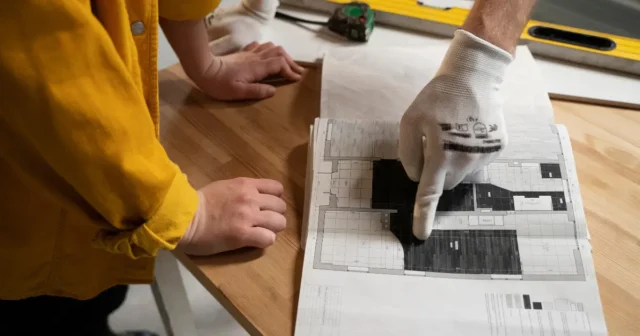
Once the concept has been validated, the technical project is developed. This is where the design takes concrete shape.
Includes:
- Detailed layout plans.
- Definition of light points and installations.
- Specific selection of materials and finishes.
- Documentation for proper execution.
This work requires coordination with electrical, plumbing, HVAC, and other systems. When the project demands it, the interior designer collaborates with other professionals to ensure technical consistency.
3. Selection of materials and furniture
One of the most important services is the selection of suitable materials.
The interior designer values:
- Durability and maintenance.
- Comfort and everyday use.
- Aesthetic consistency.
- Compatibility between elements.
In addition, it manages suppliers and seeks customized solutions that fit the budget and overall concept. This curation prevents isolated decisions that disrupt the harmony of the whole.
All of these services are offered by our interior design studio in Madrid.
4. Construction management and supervision
When the project enters the execution phase, the interior designer supervises to ensure that the design is correctly implemented.
Your duties include:
- Coordination of unions.
- Review of measurements and qualities.
- Resolution of unforeseen events.
- Control of compliance with the approved design.
If a problem arises, act as a technical liaison to prevent deviations that could affect the final result.
5. Purchasing and logistics management
An interior design project involves multiple purchasing decisions. The interior designer can take care of:
- Product selection and ordering.
- Delivery coordination.
- Compatibility check.
- Organization of time schedules so as not to slow down the work.
This approach reduces errors and frees the customer from complex tasks.
6. Preview of the space
To anticipate the final result, the interior designer uses visual representation tools.
These may include:
- 3D images.
- Lighting simulations.
- Virtual tours.
Not only do they help you understand the project, but they also allow you to adjust decisions before execution, avoiding costly changes later on.
7. Decoration and staging
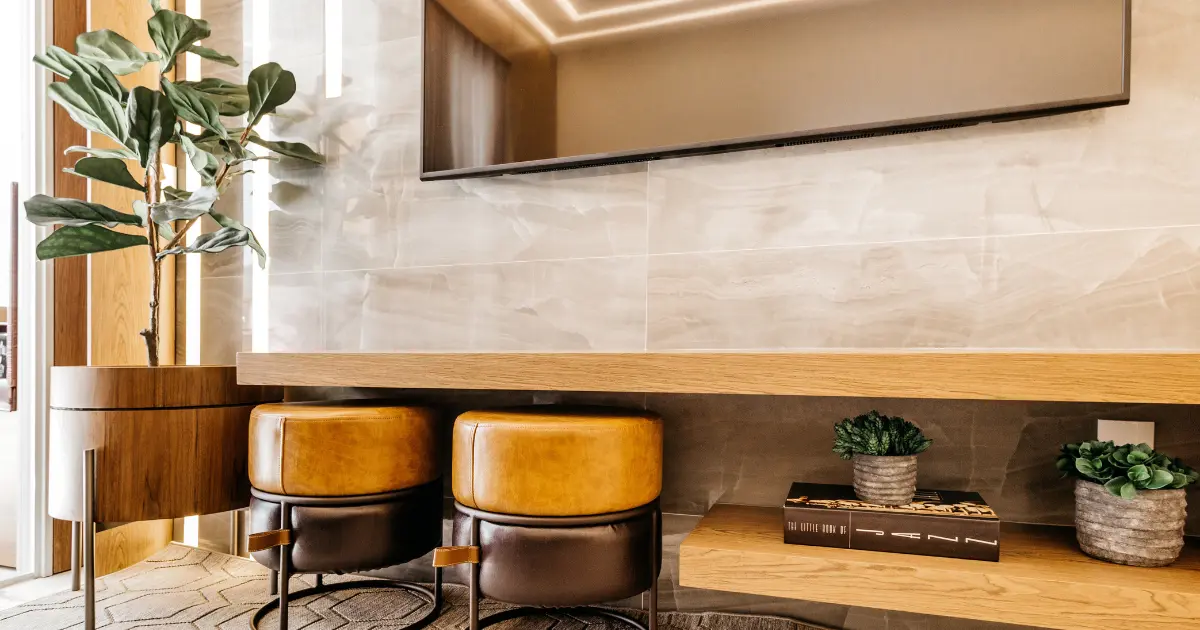
The work does not end with the construction. The final phase consists of bringing coherence to the whole by placing and selecting decorative elements.
This may include:
- Textiles and curtains.
- Paintings and decorative objects.
- Plants and support elements.
- Final furniture layout.
Here, the identity of the space is consolidated and a balanced atmosphere is achieved.
8. Specialized services according to the type of space
Functions may vary depending on the context:
| Type of space | Priority focus |
|---|---|
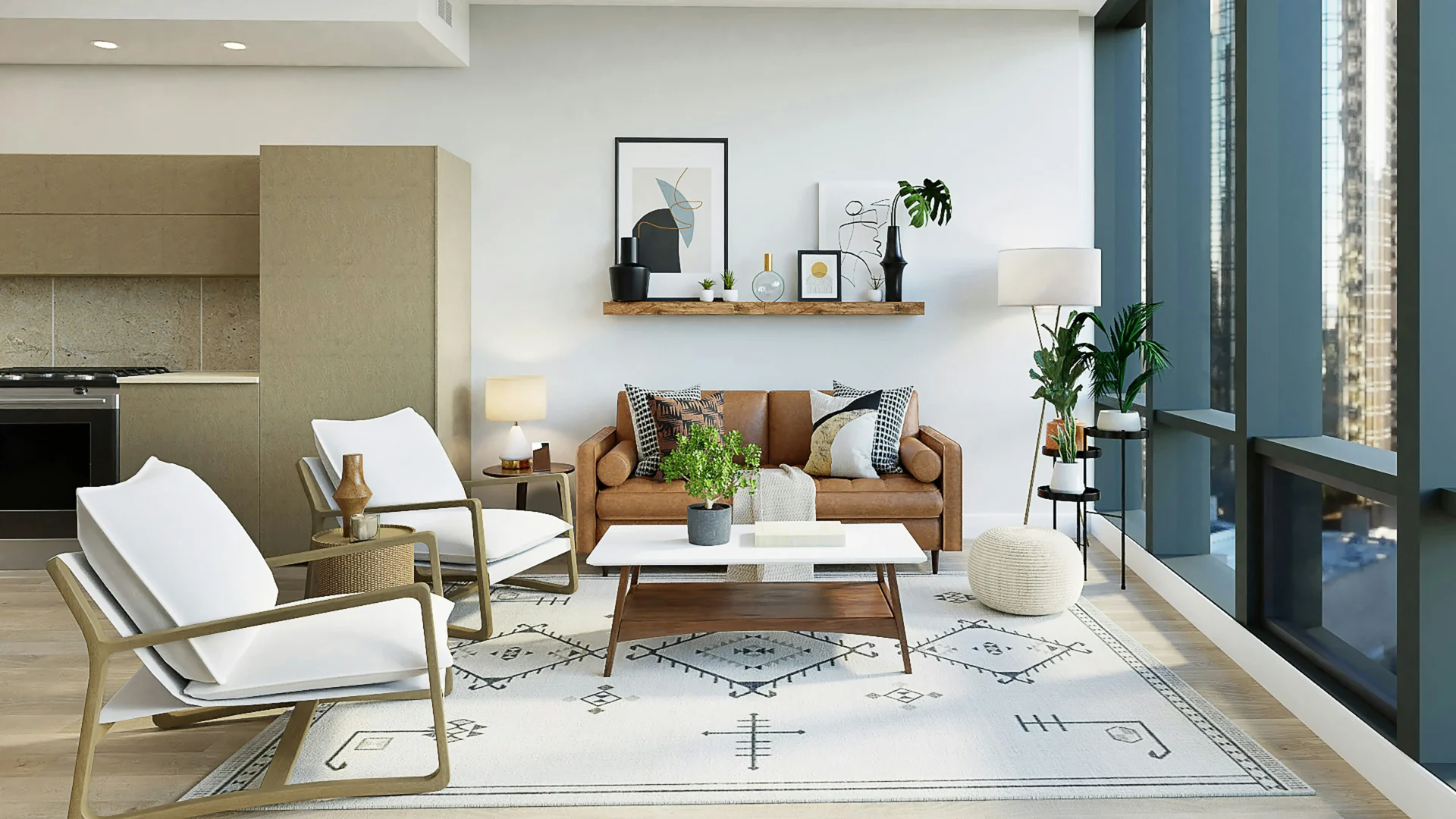
| Housing | Comfort, lifestyle, and personalization |
| Commercial space | Identity applied to the environment and user experience |
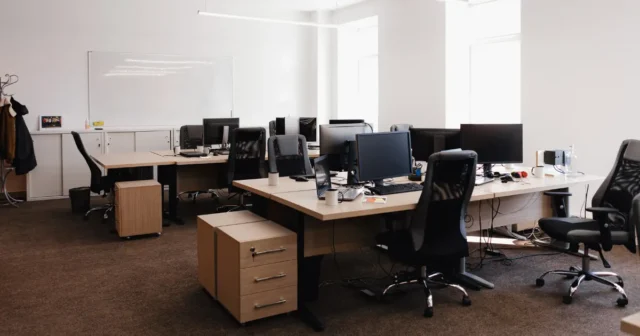
| Office | Operational functionality and efficient organization |
| Accommodation | Durability and aesthetic consistency |
El alcance dependerá del encargo y de los objetivos del cliente. En el caso de las oficinas, ese encargo suele derivar en un proyecto de diseño de oficinas que ordena puestos, salas de reunión y circulaciones antes de definir acabados.
Differences between interior designers and decorators
Although they are sometimes used as synonyms, they are not exactly the same.
| Interior designer | Decorator |
|---|---|
| Involved in distribution and technical aspects | It focuses primarily on aesthetics. |
| You can develop plans and coordinate construction work. | Acts on already defined spaces |
| Integrates functionality and execution | Prioritize style and ambiance |
The difference is not hierarchical, but rather one of professional scope.
Benefits of hiring an interior designer
Having this professional allows you to:
- Optimize the use of space.
- Avoid planning errors.
- Maintain aesthetic consistency.
- Reduce improvisation on site.
- Make informed decisions from the outset.
The value lies not only in the visual result, but also in the structured process that makes it possible.
Common mistakes that complicate execution
- Defining style without first analyzing functionality.
- Choosing materials solely for aesthetic reasons.
- Do not coordinate purchasing and construction times.
- Changing technical decisions once execution has already begun.
- Do not anticipate compatibility between installations and design.
Anticipating these points reduces deviations and cost overruns resulting from late decisions.
How to know if you need an interior designer
It may be advisable when:
- The space does not meet your current needs.
- We need to redistribute spaces or renovate.
- We seek comprehensive consistency, not just occasional decoration.
- The project involves technical and logistical coordination.
If the scope includes structural changes, installations, or construction management, your involvement provides greater clarity and control.
An interior designer is responsible for designing and improving the interior spaces of a home or business premises, optimizing the layout, lighting, and materials. Among the most common services are interior design, space planning, material selection, and project coordination. It is recommended when you want to renovate a home, improve the layout of spaces, or design a more functional and aesthetic environment. An architect is responsible for the architectural and technical design of the building, while the interior designer focuses primarily on the design and functionality of the interior spaces.Frequently Asked Questions
What does an interior designer do?
What services does an interior designer offer?
When is it advisable to hire an interior designer?
What is the difference between an interior designer and an architect?